DON BOSCO INTERNATIONAL SCHOOL follows the International Baccalaureate PYP (Primary Years Programme) from the Early Years to Grade 5. IB World Schools share a common philosophy—a commitment to improve the teaching and learning of a diverse and inclusive community of students by delivering challenging, high quality programmes of international education that share a powerful vision.
PYP
PRIMARY YEARS PROGRAMME
MISSION STATEMENT FROM THE IBO
The International Baccalaureate aims to develop inquiring, knowledgeable and caring young people who help to create a better and more peaceful world through intercultural understanding and respect. To this end the organization works with schools, governments and international organizations to develop challenging programmes of international education and rigorous assessment. These programmes encourage students across the world to become active, compassionate and lifelong learners who understand that other people, with their differences, can also be right.
The PYP focuses on the heart as well as the mind and addresses social, physical, emotional and cultural needs in addition to those considered to be more academic. The traditional subject areas are valued, with an extra emphasis on the balance between the acquisition of essential knowledge and skills. The programme provides the opportunity for learners to construct meaning, principally through concept-driven inquiry. The threads of students’ learning are brought together in the transdisciplinary programme of inquiry, which in turn allows them to make connections with life outside the school.
The Primary Years Programme ensures that learning is engaging, relevant, challenging and significant. The learning experiences are:
- based on inquiry
- focused on conceptual understanding
- developed in local and global contexts
- focused on effective teamwork and collaboration
- designed to remove barriers to learning
- informed by assessment
Our focus on the approaches to learning (ATLs)is grounded in the belief that learning how to learn is fundamental to a student’s education. The ATLs are purposefully incorporated in the designing of learning engagements across the Programme of Inquiry and the Single Subjects. The development of these skills which include Thinking skills, Research skills, Communication skills, Social skills and Self-management skills; play a crucial role in nurturing students to be lifelong learners.
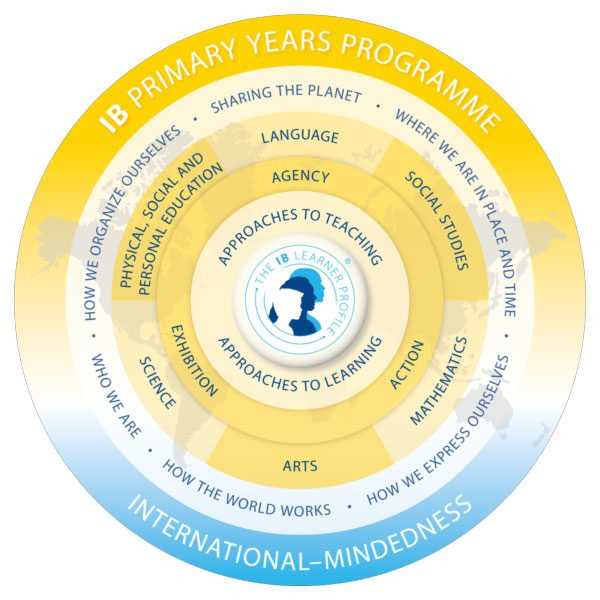
The IB Learner Profile attributes resonate with the spirit of the core values of DBIS, through which we aim to develop International Mindedness in the students as we nurture the dispositions such as curiosity and compassion, as well as knowledge and skills.
| ATTRIBUTES | DESCRIPTION |
|---|---|
| Thinkers | We use critical and creative thinking skills to analyse and take responsible action on complex problems. We exercise initiative in making reasoned, ethical decisions. |
| Risk-takers | We approach uncertainty with forethought and determination; we work independently and cooperatively to explore new ideas and innovative strategies. We are resourceful and resilient in the face of challenges and change. |
| Principled | We act with integrity and honesty, with a strong sense of fairness and justice, and with respect for the dignity and rights of people everywhere. We take responsibility for our actions and their consequences. |
| Open-minded | We critically appreciate our own cultures and personal histories, as well as the values and traditions of others. We seek and evaluate a range of points of view, and we are willing to grow from the experience. |
| Knowledgeable | We develop and use conceptual understanding, exploring knowledge across a range of disciplines. We engage with issues and ideas that have local and global significance. |
| Inquirers | We nurture our curiosity, developing skills for inquiry and research. We know how to learn independently and with others. We learn with enthusiasm and sustain our love of learning throughout life. |
| Communicators | We express ourselves confidently and creatively in more than one language and in many ways. We collaborate effectively, listening carefully to the perspectives of other individuals and groups. |
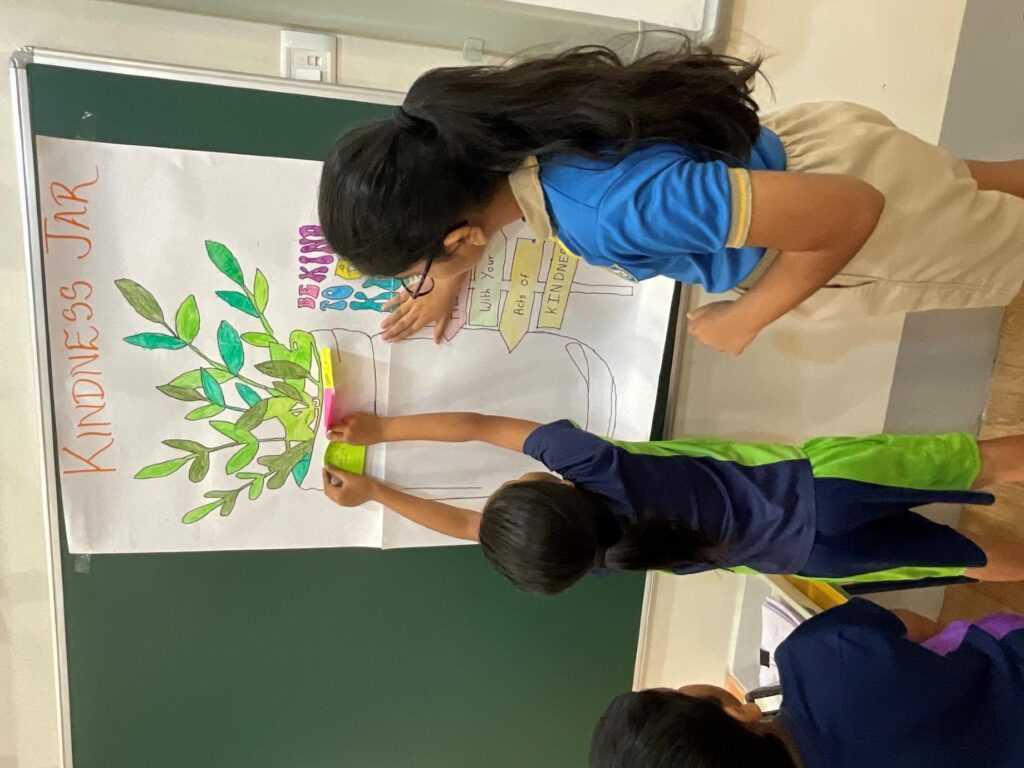
| Caring | We show empathy, compassion and respect. We have a commitment to service, and we act to make a positive difference in the lives of others and in the world around us. |
| Balanced | We understand the importance of balancing different aspects of our lives—intellectual, physical, and emotional—to achieve well-being for ourselves and others. We recognize our interdependence with other people and with the world in which we live. |
PYP IN THE EARLY YEARS
ACTION
PRIMARY YEARS PROGRAMME CURRICULUM
Programme Of Inquiry
Subject Specialists
Enrichment Programmes
PYP EXHIBITION
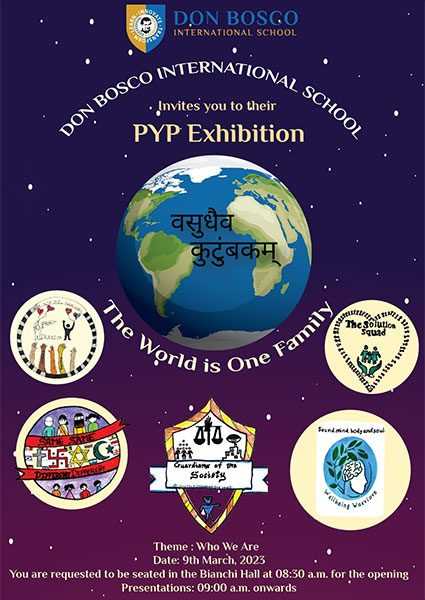
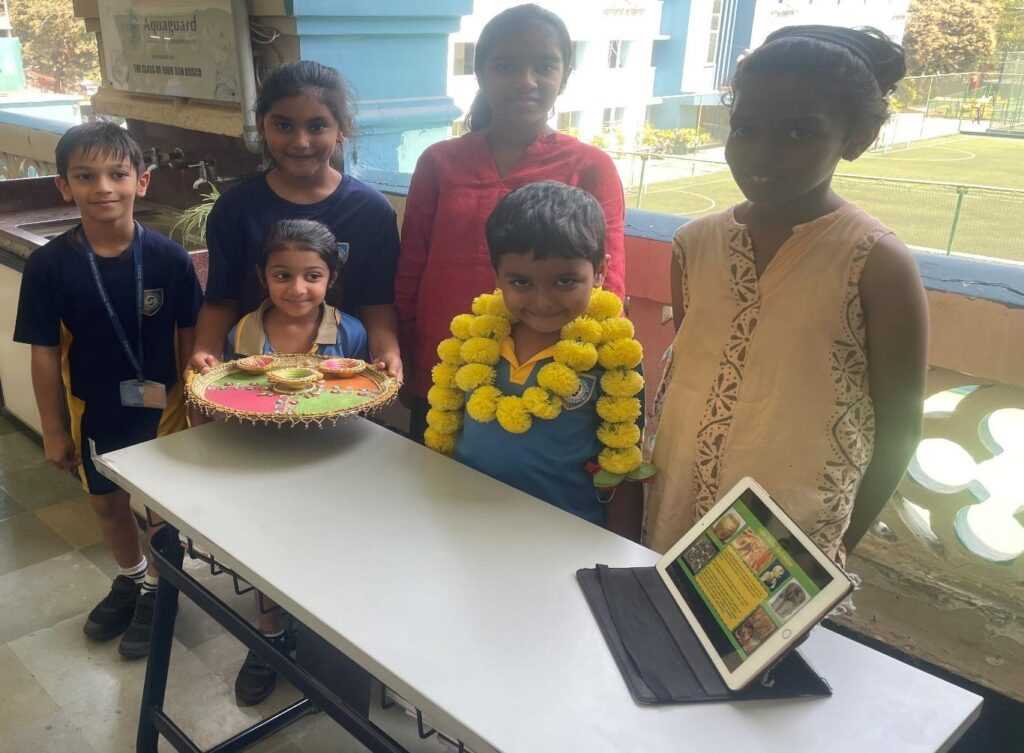
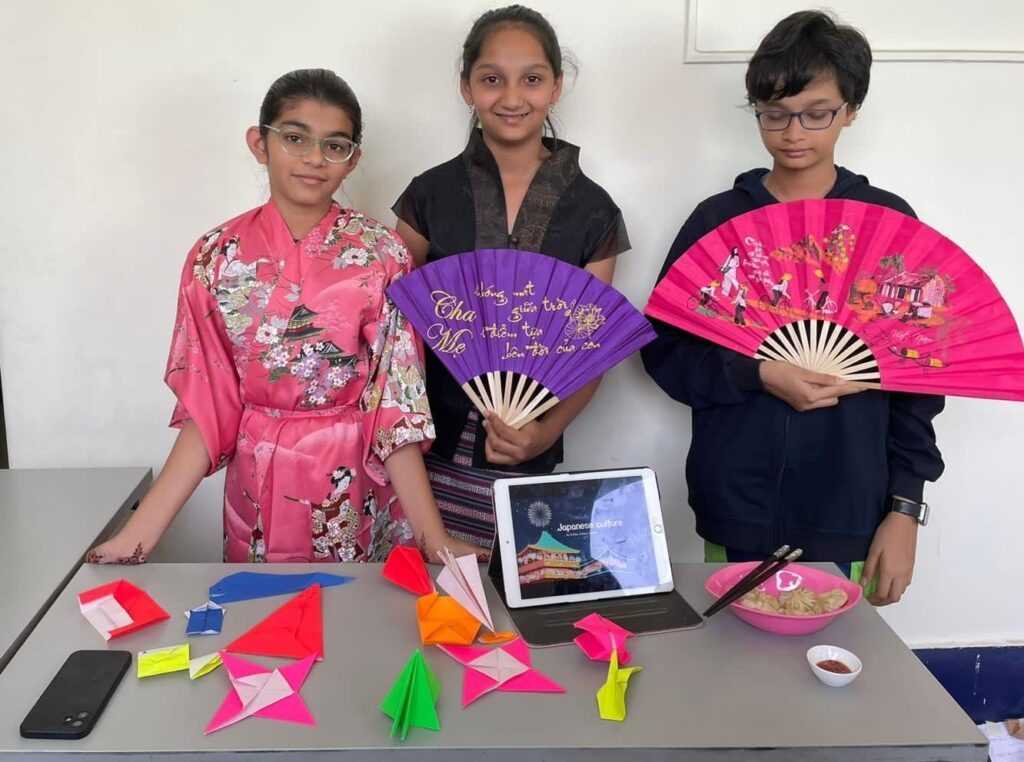
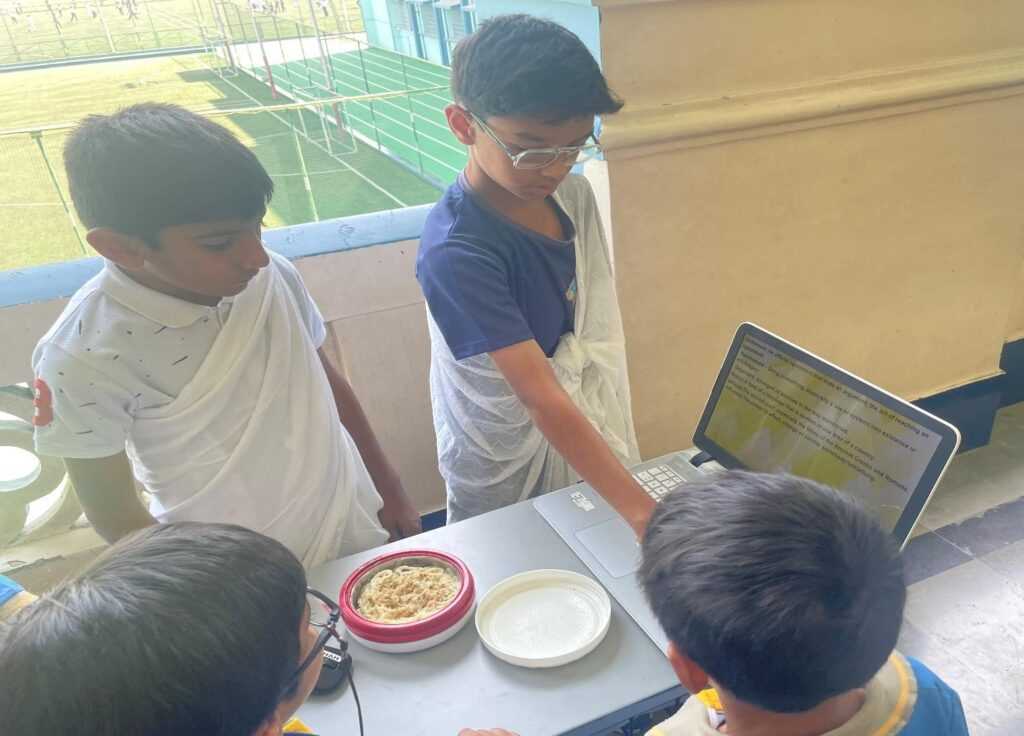
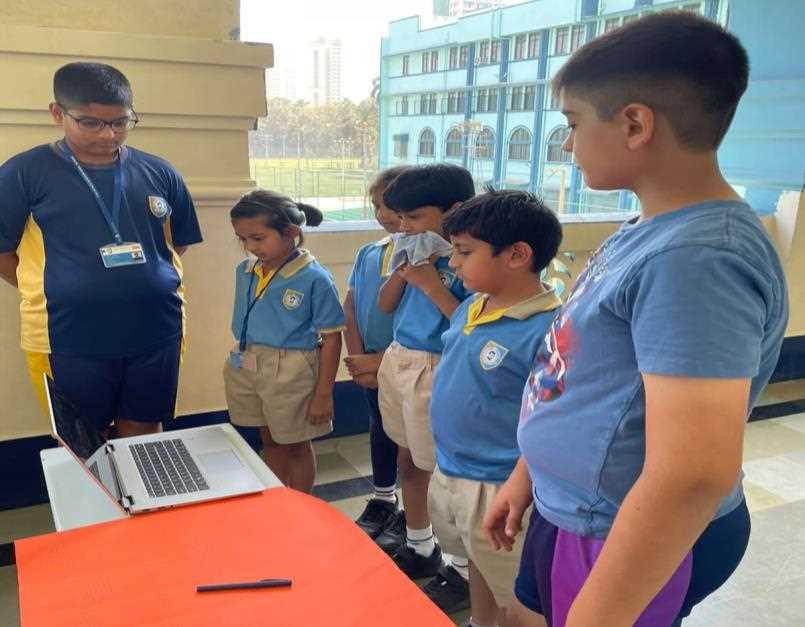
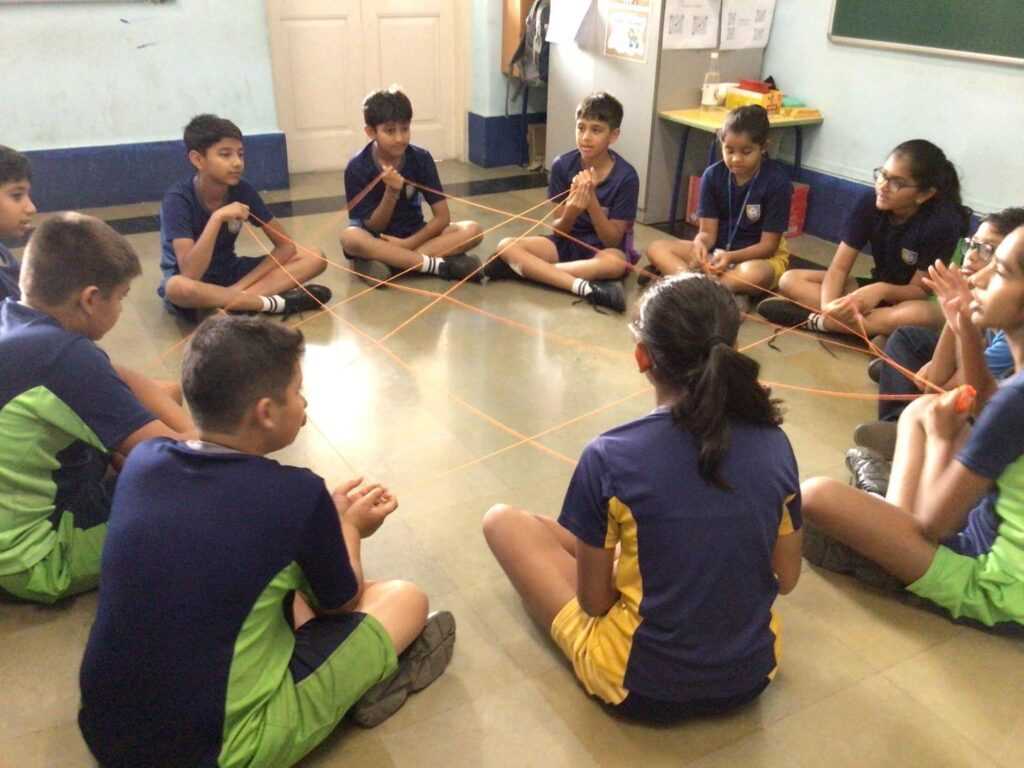
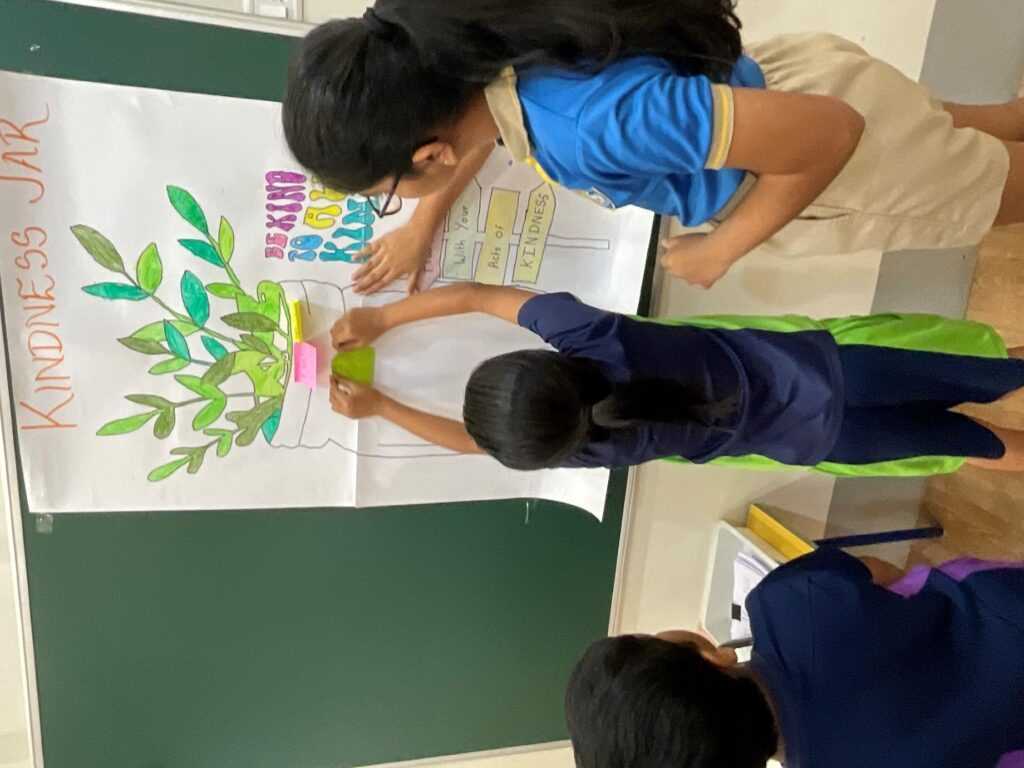
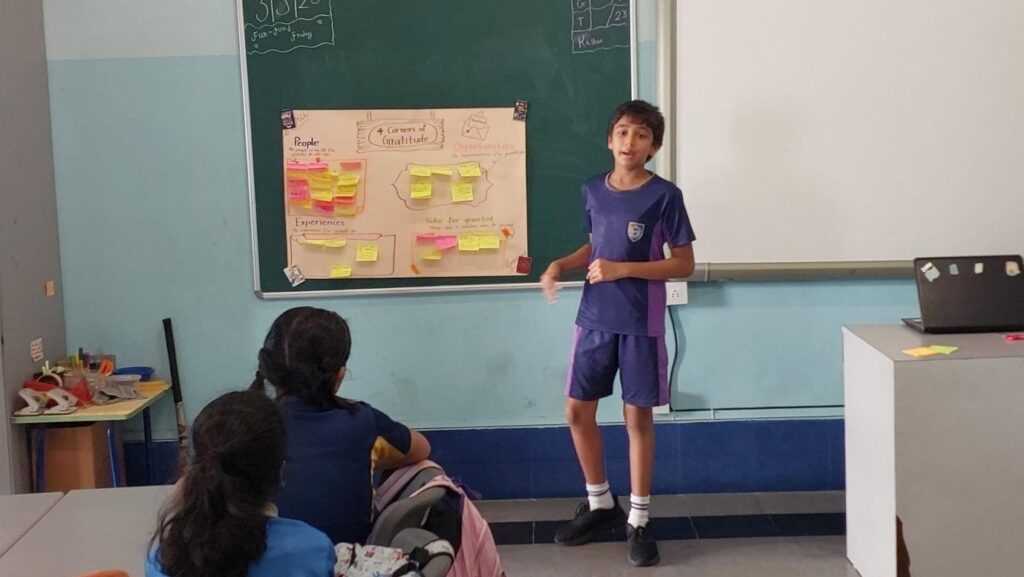
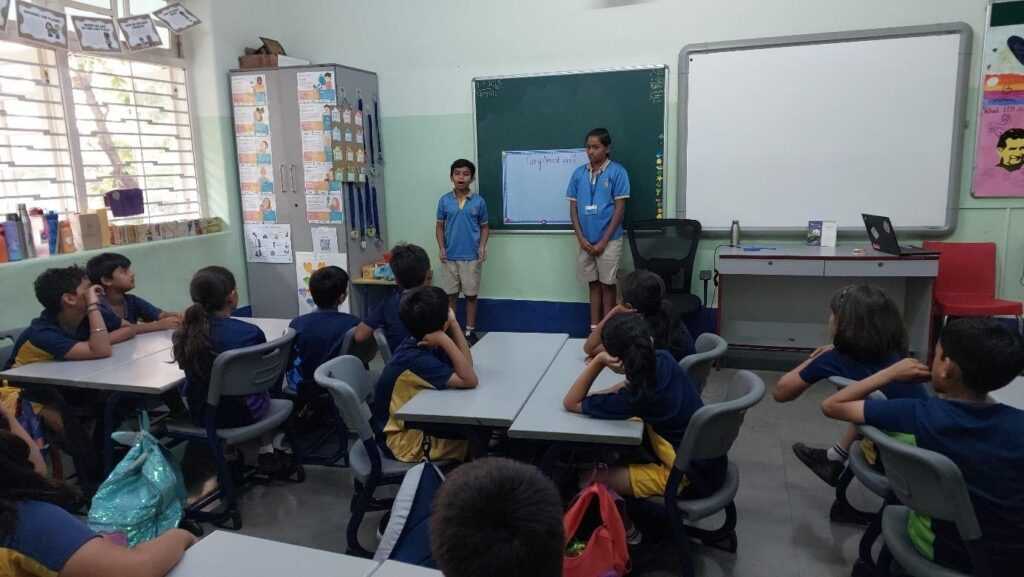
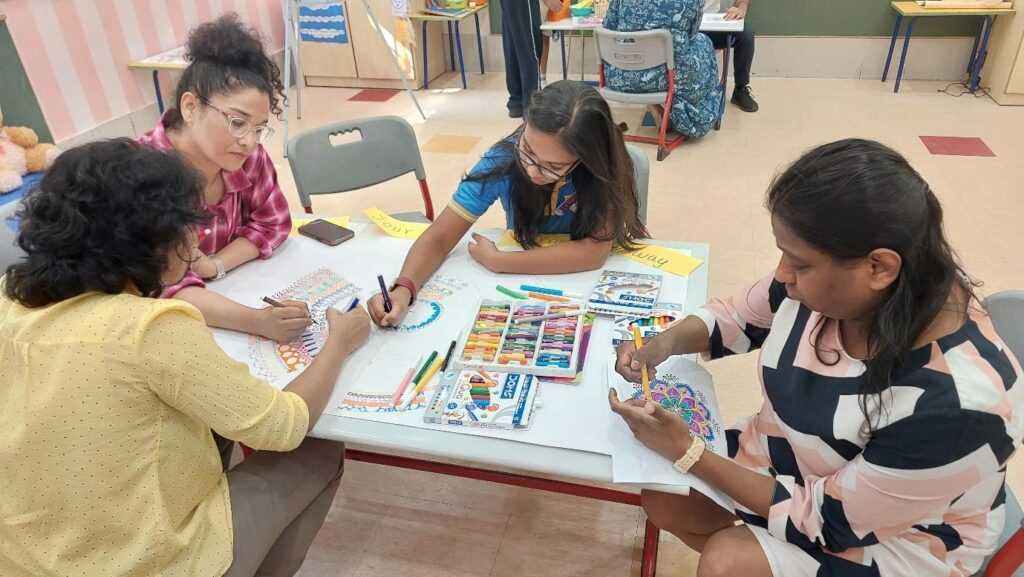
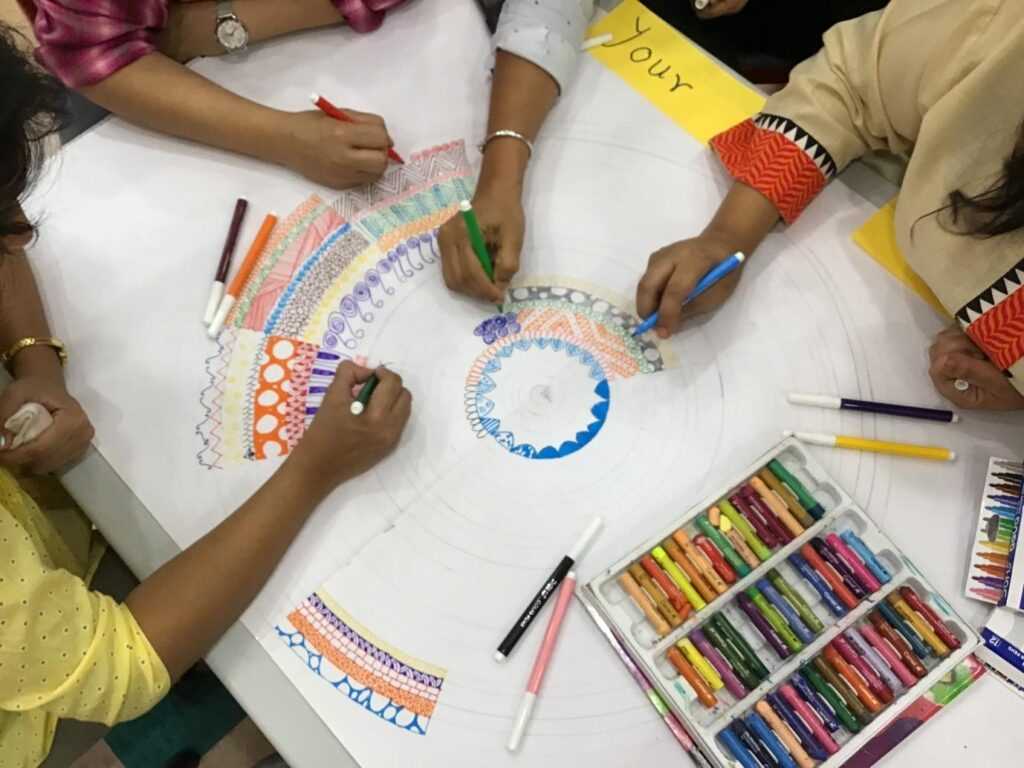
The annual PYP exhibition entitled ‘Vasudhaiva Kutumbakam’ one world one family, kick started with gusto after an online experience of two years. While the corridors of DBIS echoed with the winds of PYPX leaving its imprints on the walls, the Bianchi hall resonated with a joyous triumph of action and change heralding the universal spirit of oneness. The words of the Michael Jackson song …make it a better place for you and for me and the entire human race exemplified the core values of each group in their designated areas.
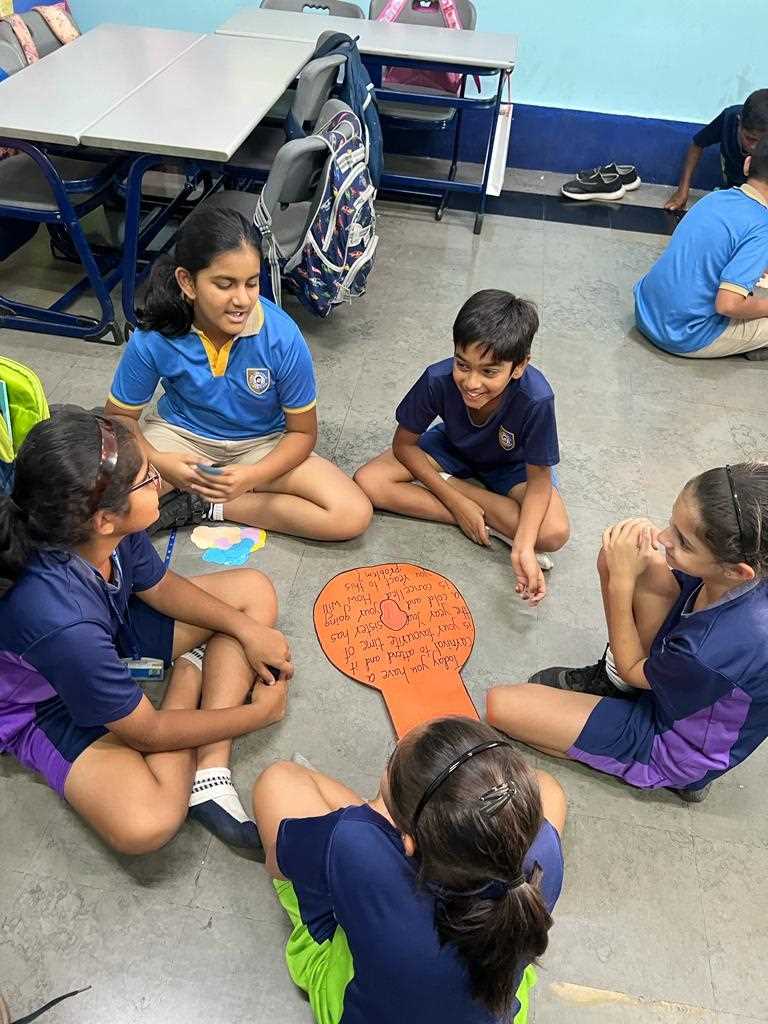
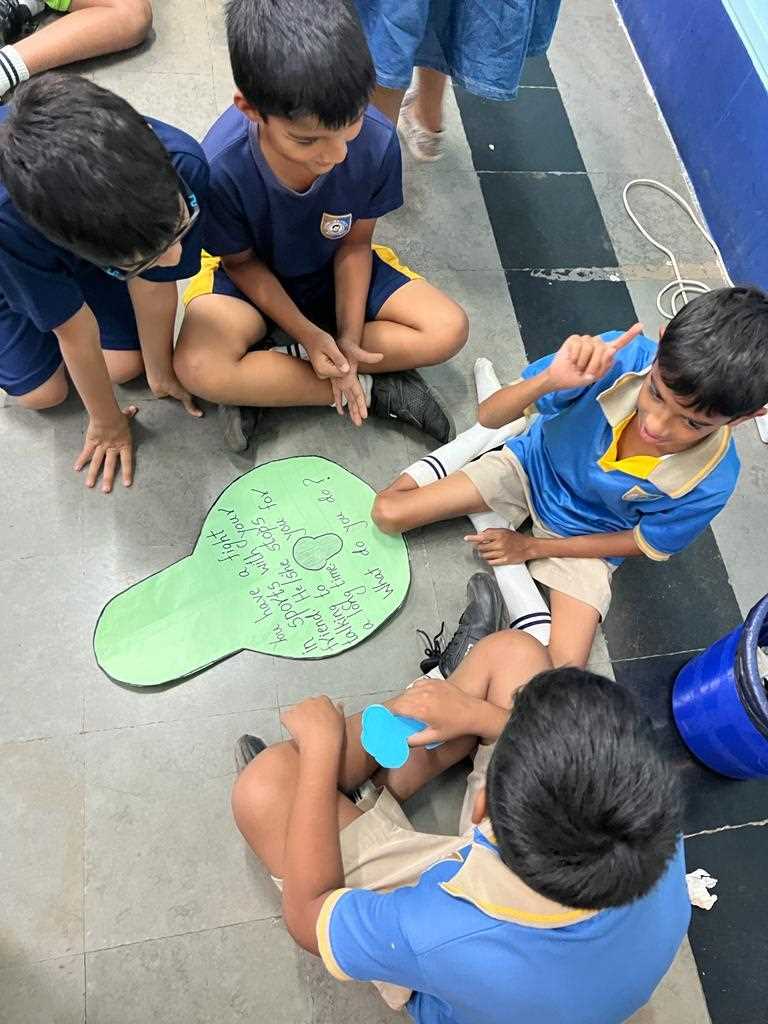
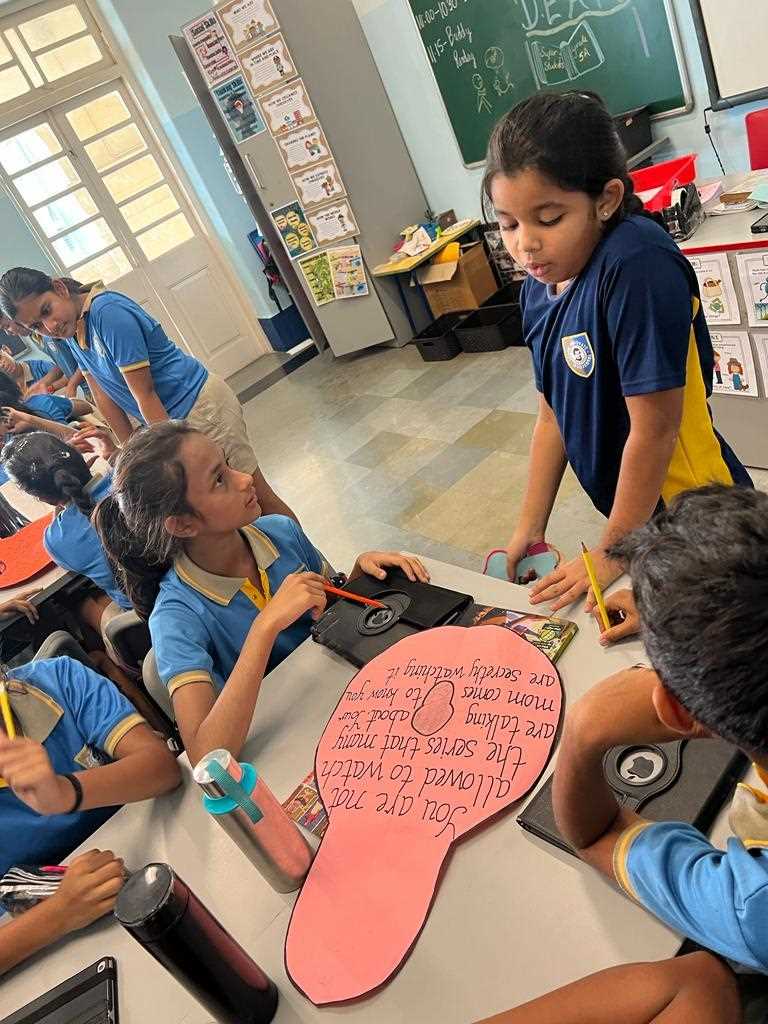
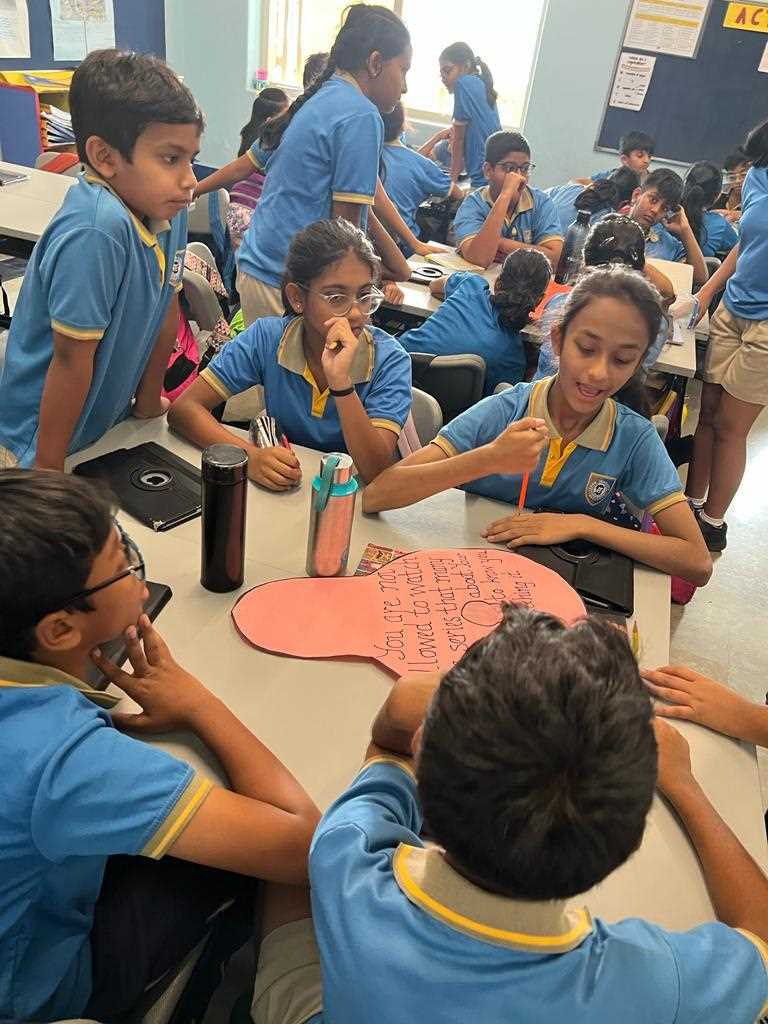
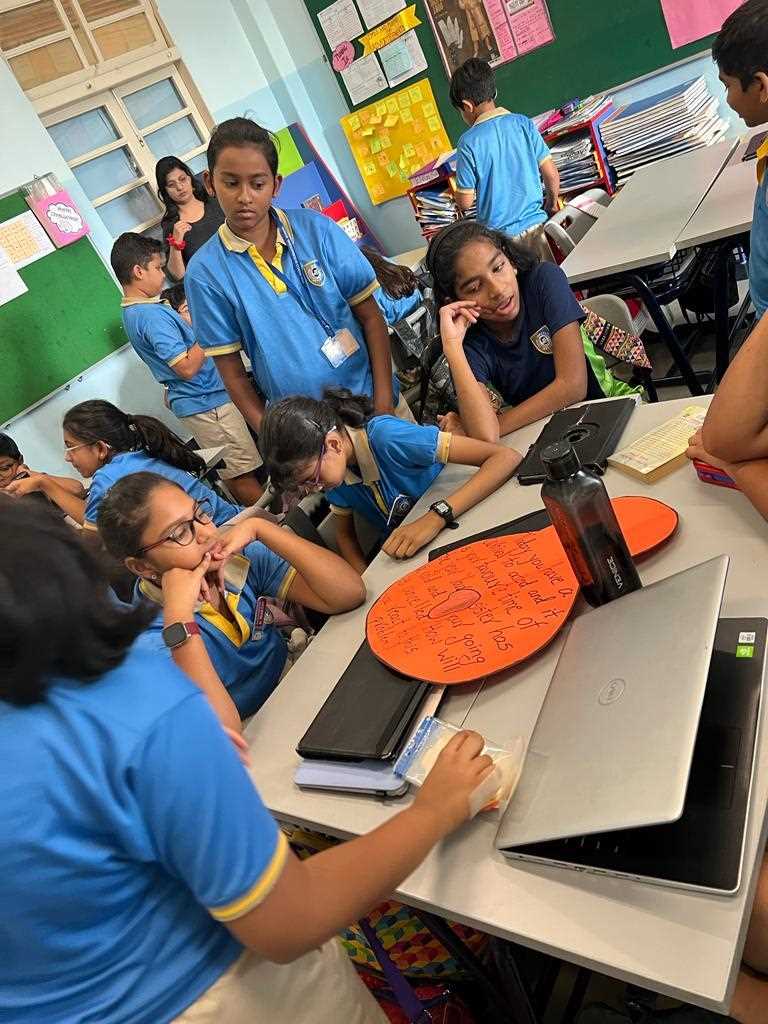
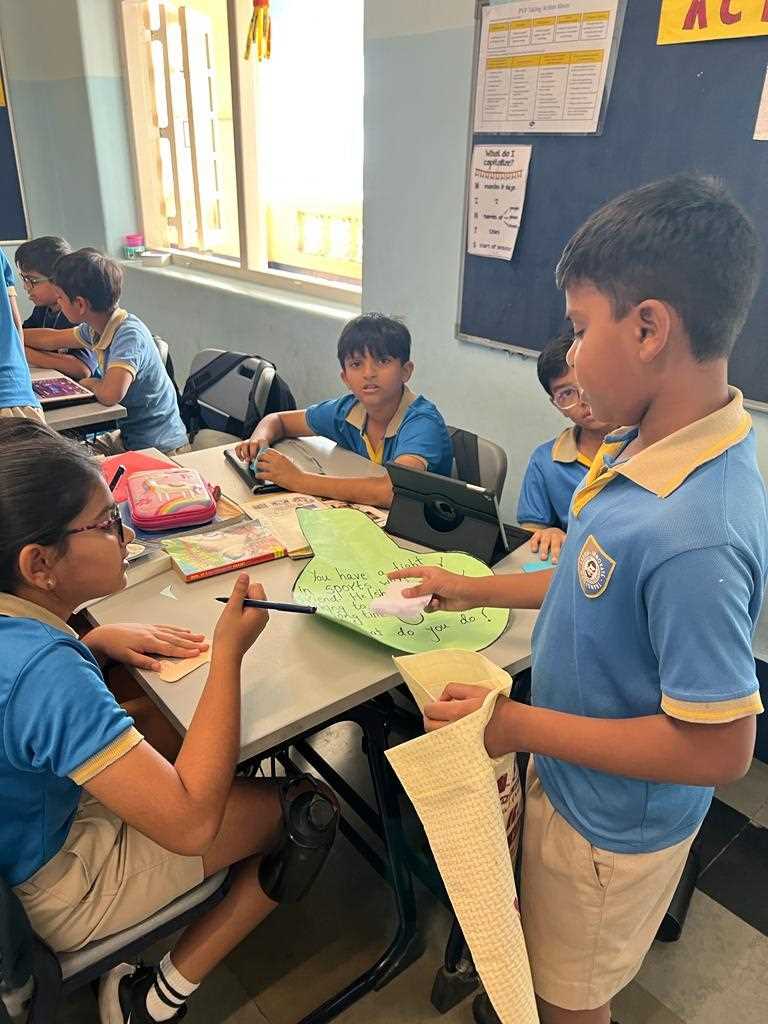
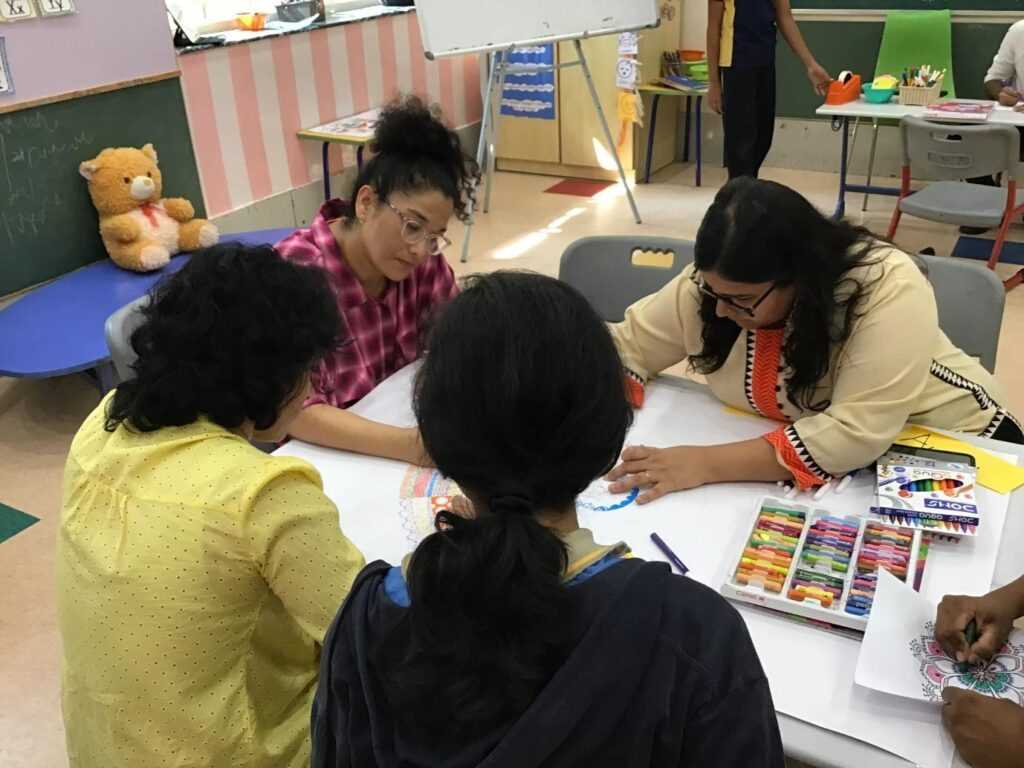
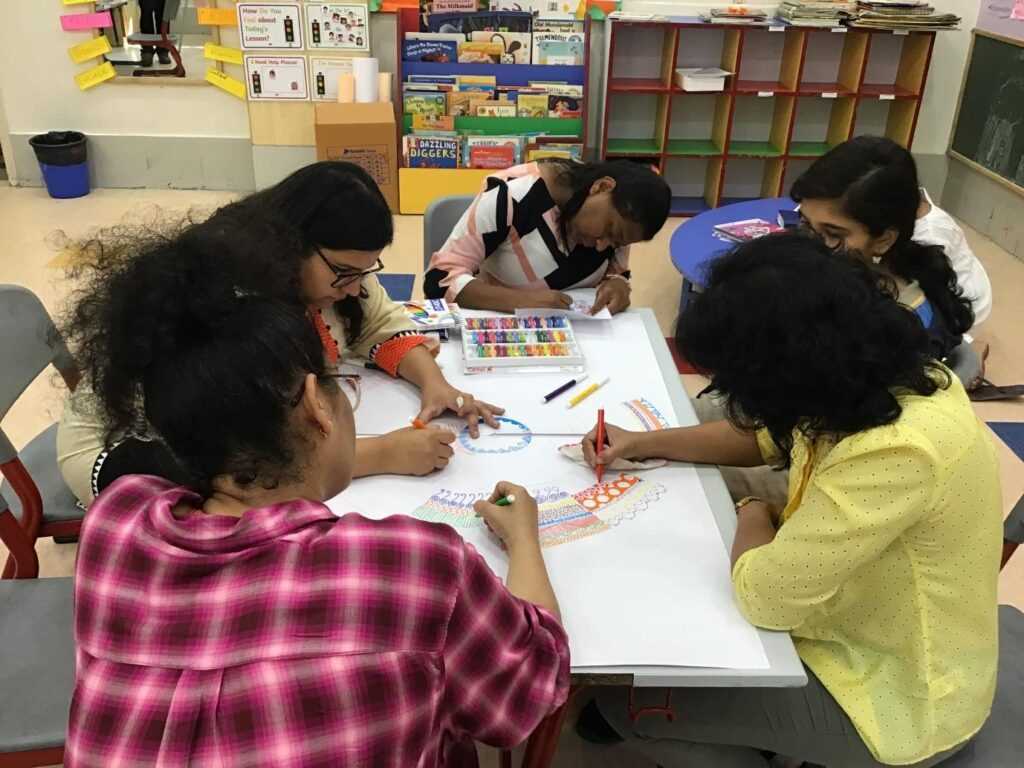
The energy of the students was palpable right from the start when they began unravelling their thoughts, concerns, ideas and experiences through a chalk talk activity, much like a torch lit at the beginning of the run. Fifth graders saw themselves wondering about safe society, mental health, family, culture and inclusion. They began to decipher for themselves the path they wanted to take and move into an inquiry in their chosen topic. Their journey was facilitated with mentoring by teachers from different grades. Groups exercised student agency while co-creating their central idea and lines of inquiry. The brainstorming of ideas, sorting of interests and understanding connections was a process that went on for weeks recording and journaling the journey.
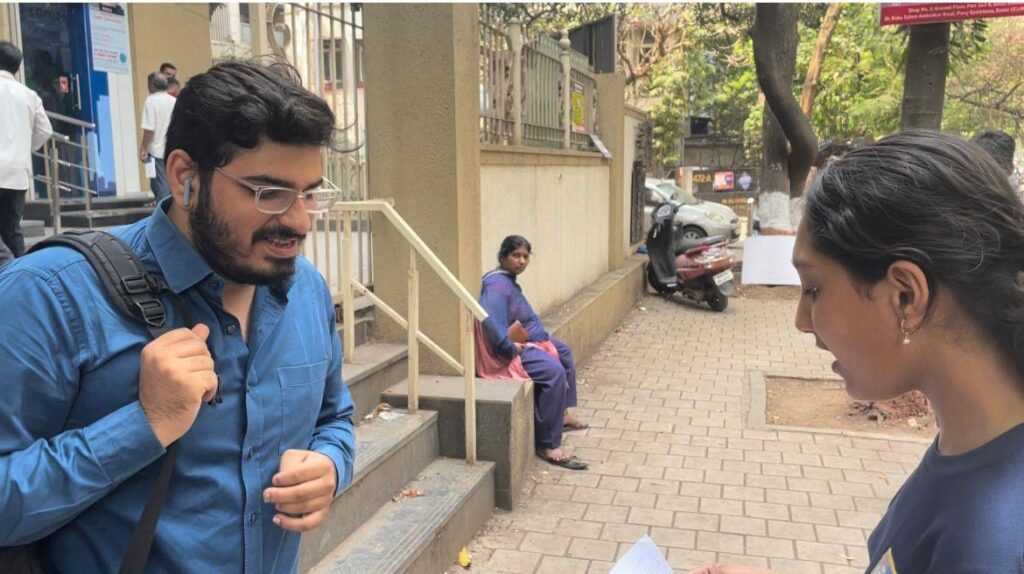
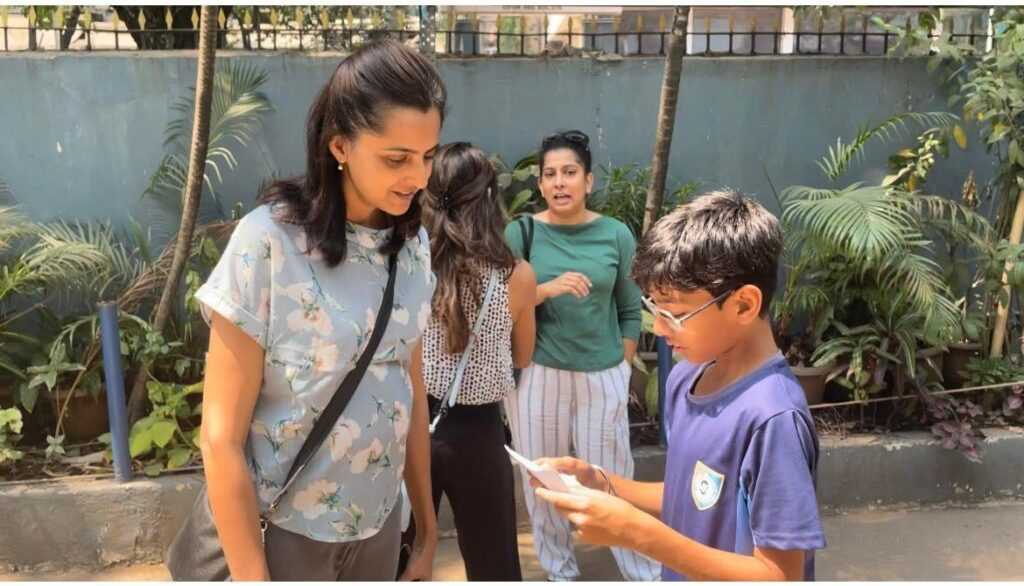
The expedition was rife with debates, interviews with citizens, enriching sessions by guest speakers while charting out the course of an action plan that incorporated local and global issues. This led groups to conduct research by collecting and collating data specific to the cause they were working on.
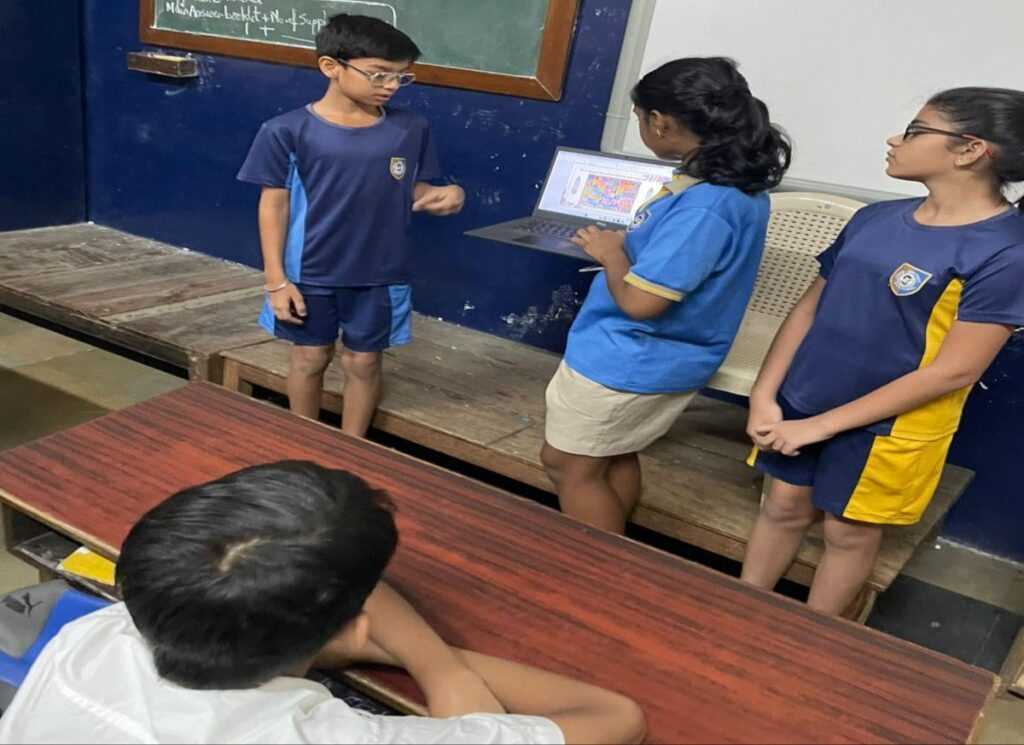
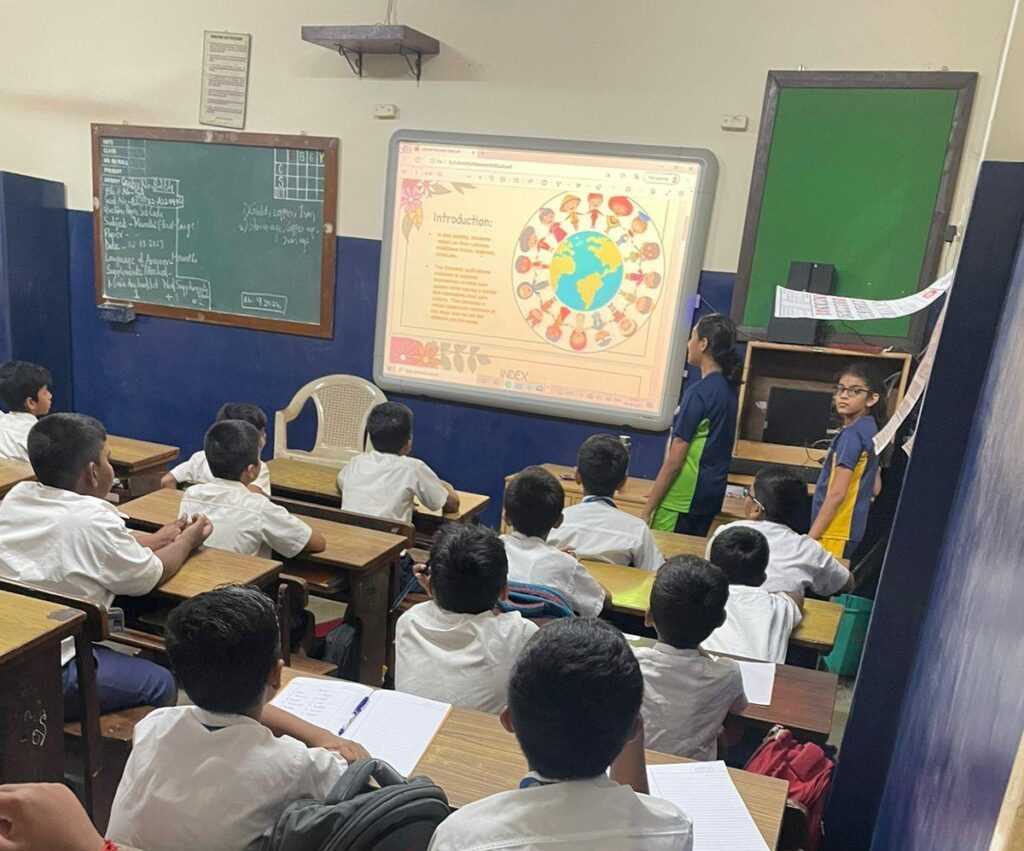
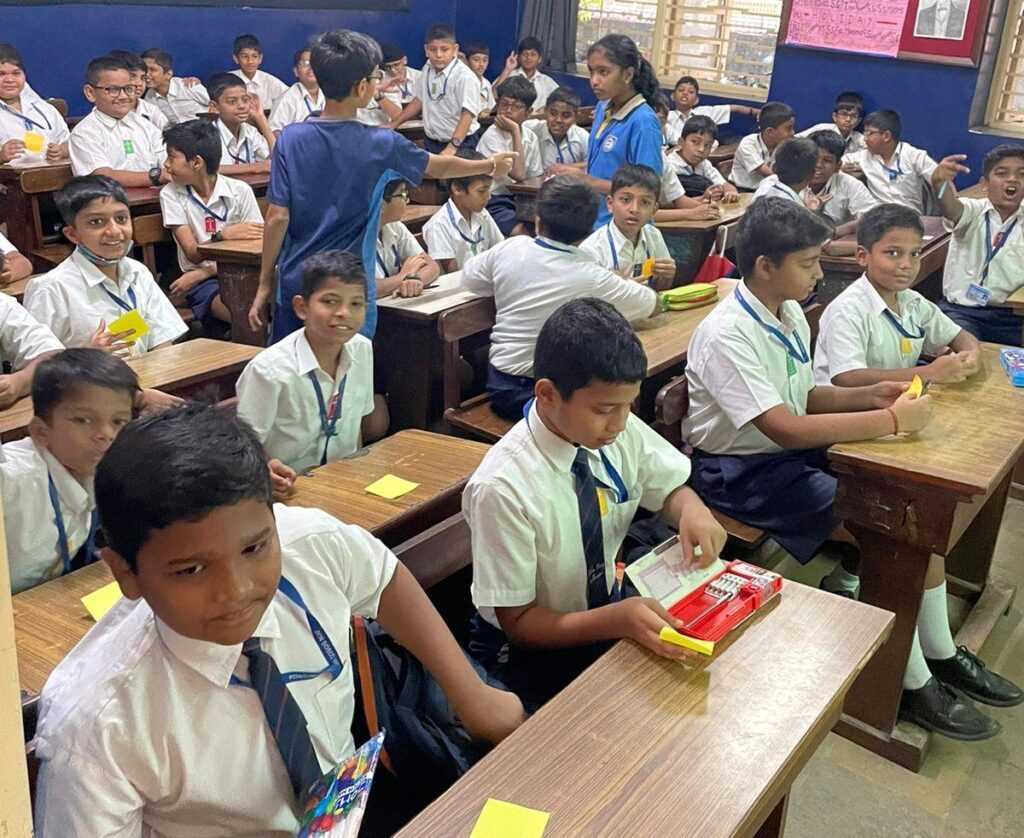
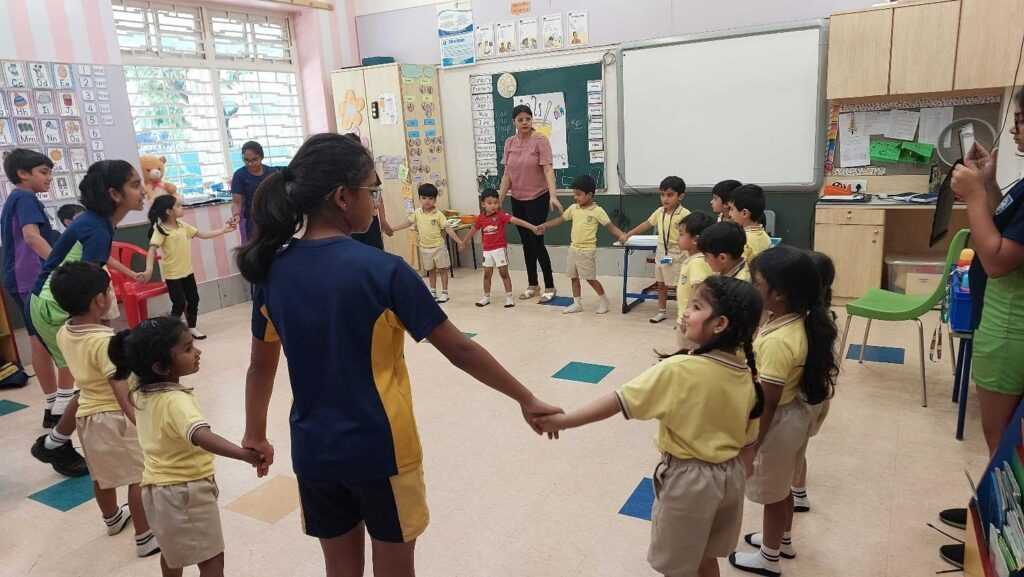
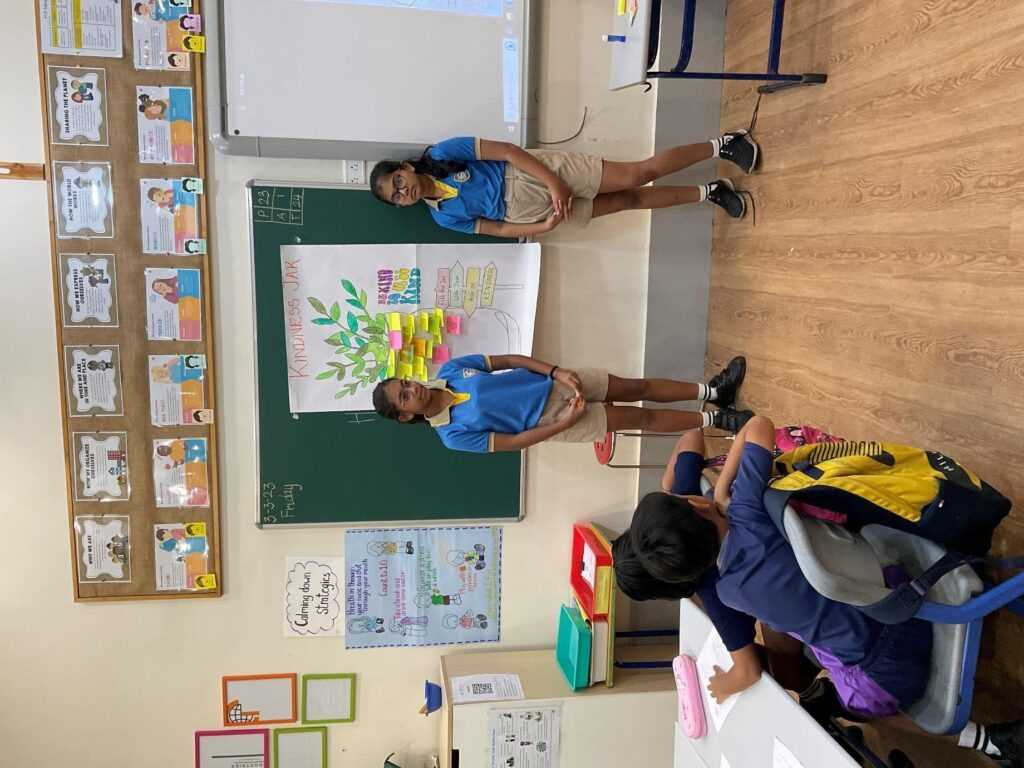
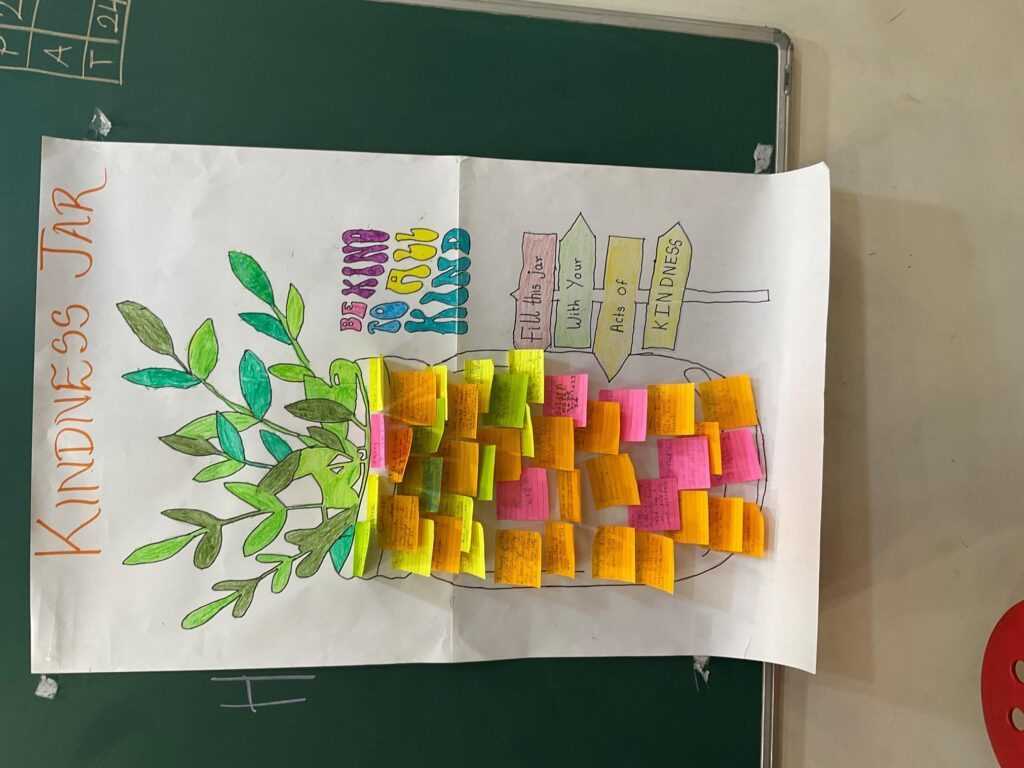
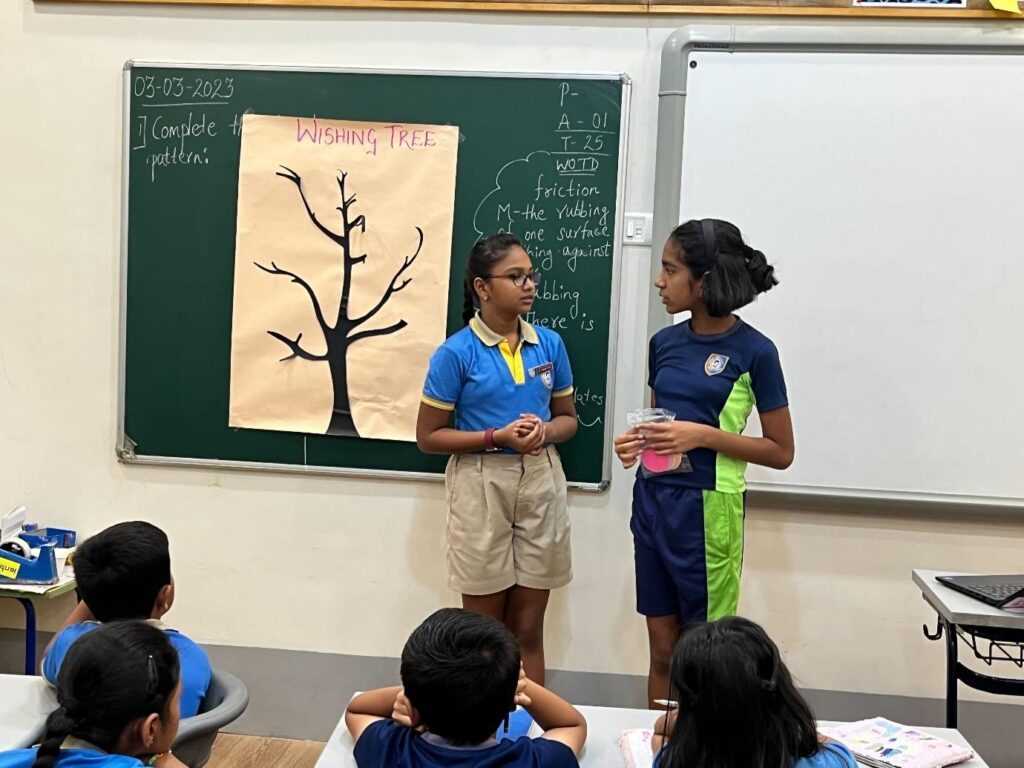
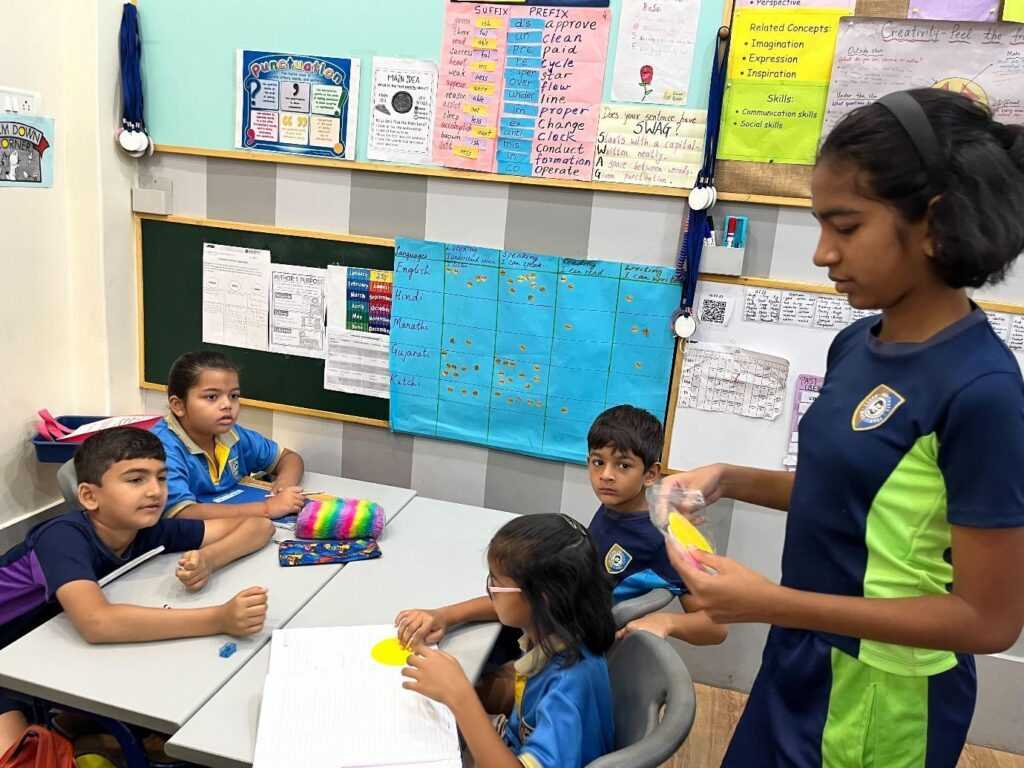
The graphs generated through the data, brought in new awakenings, expanded thinking zones bringing creativity and a fresh perspective on the course. Fifth graders were greeted enthusiastically, when they carried out their action plans to the students of the various grades of PYP, students of DBHS and various communities at large. The student community of DBHS added their traditions and culture squares to the colourful diversity quilt an initiative by the culture group. The younger grades of PYP responded eagerly to presentations, communicated their thinking while unlocking tools to better wellbeing taking the level of inquiry to new dimensions. Teachers who took part in the calming activities led by the Mental Health warriors came back with a peaceful smile on their face.
In the build up to D-day members of groups collaborated to generate logos depicting the titles they chose for their groups. Channeling their creativity into drafting an engaging presentation, students drew up detailed scripts for the event. They set up their venues and evolved through practices.
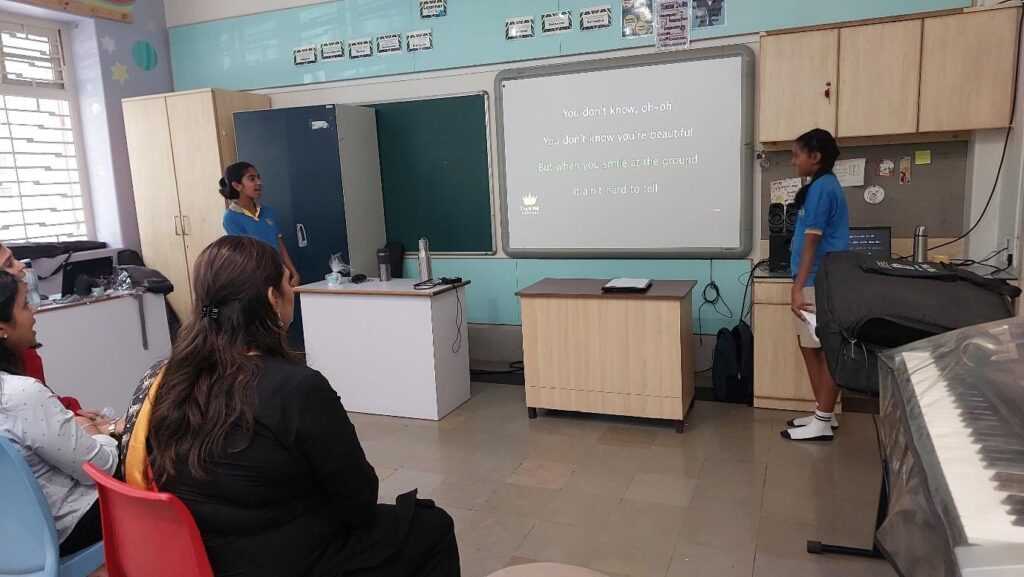
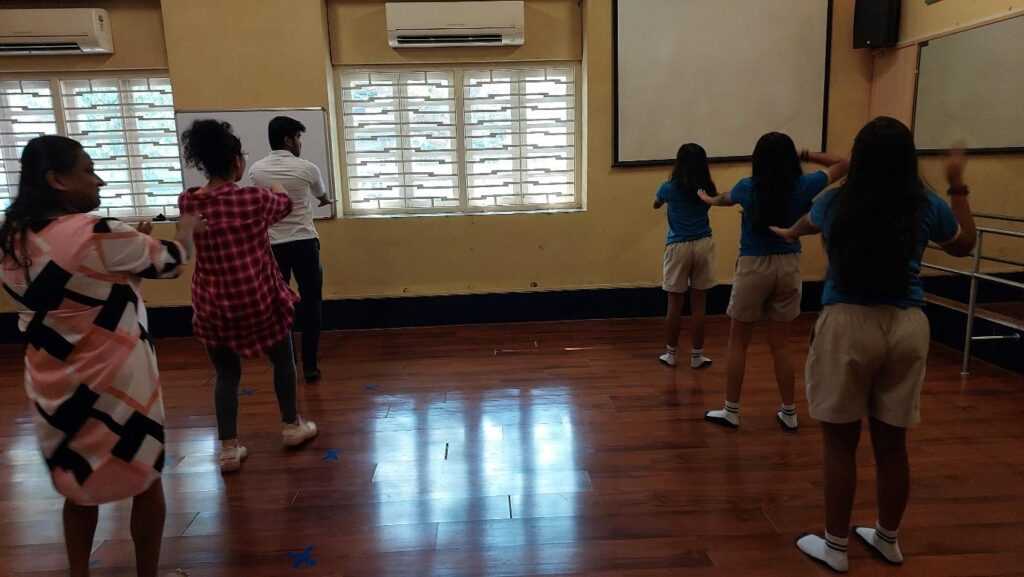
The learning of weeks brought credence on culmination day when parents, guests and fellow students were enriched with an eclectic mix of interactive games, social experiments, poem and song recitals, street play, skits and even a personalized memento of the event.
Culture
Family
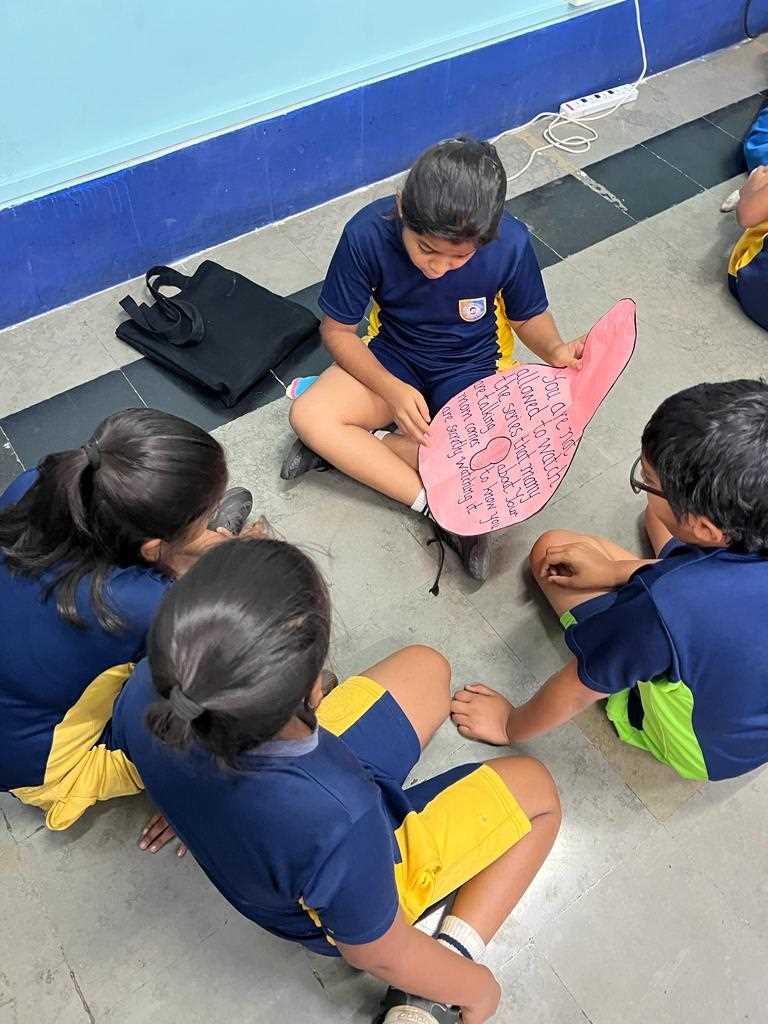
Safe Society
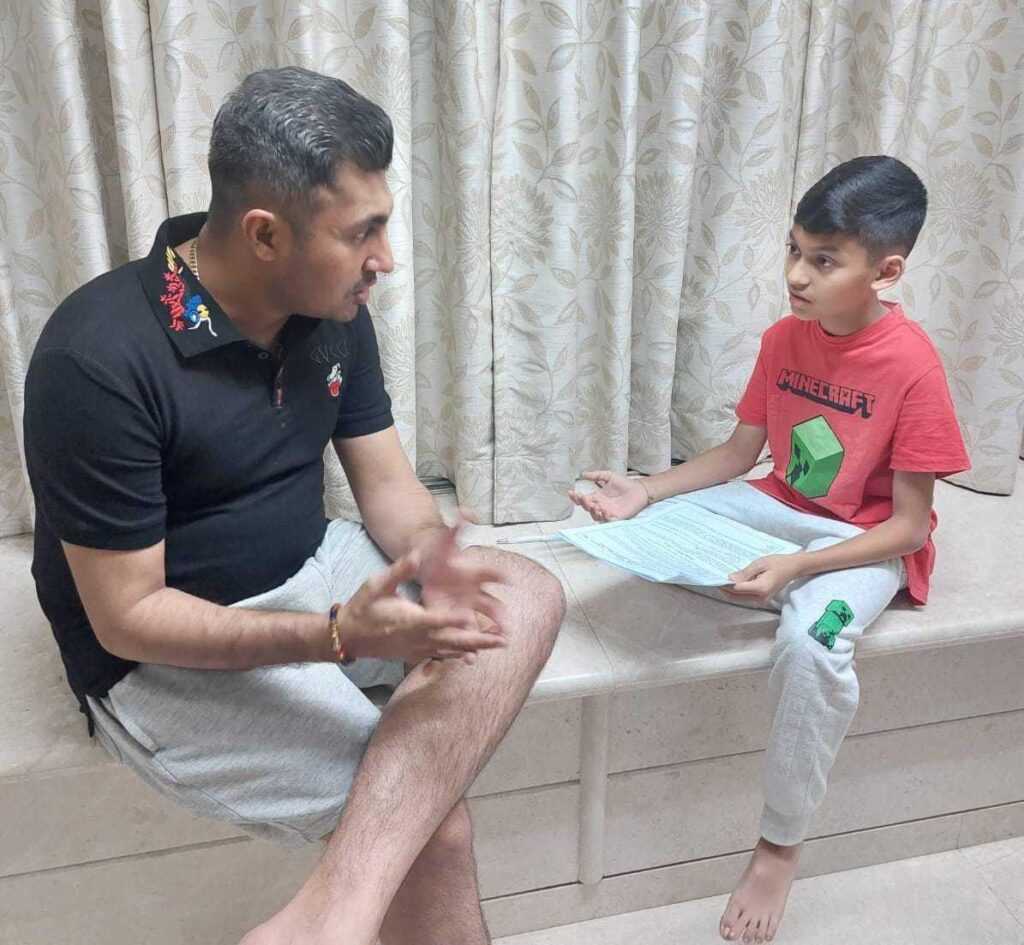
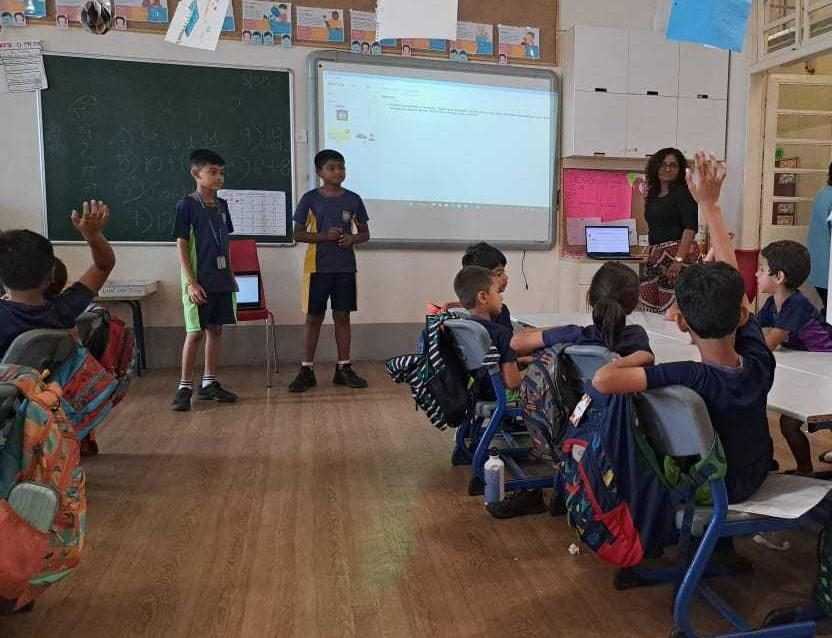
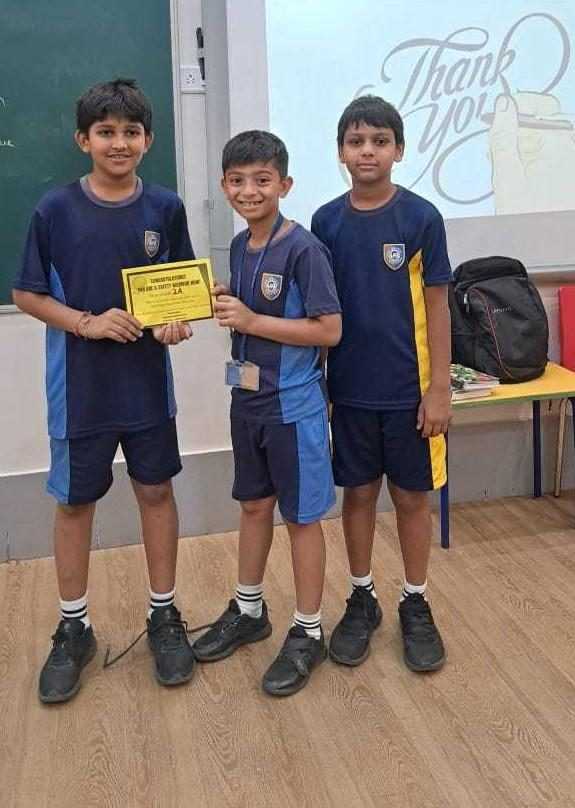
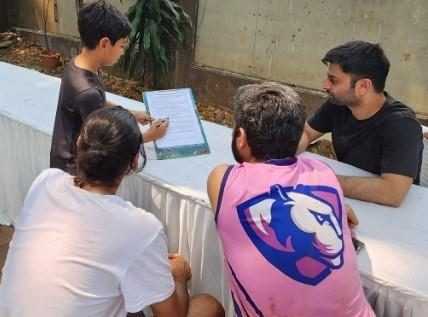
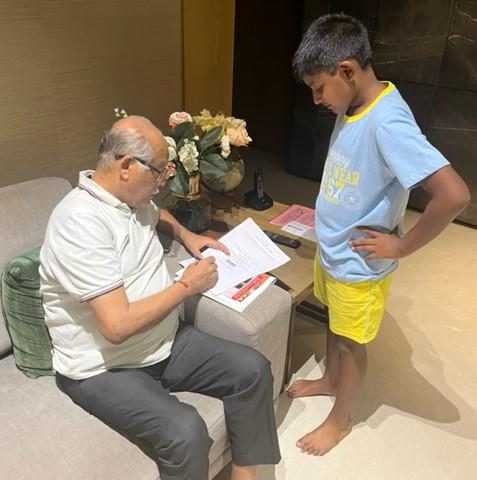
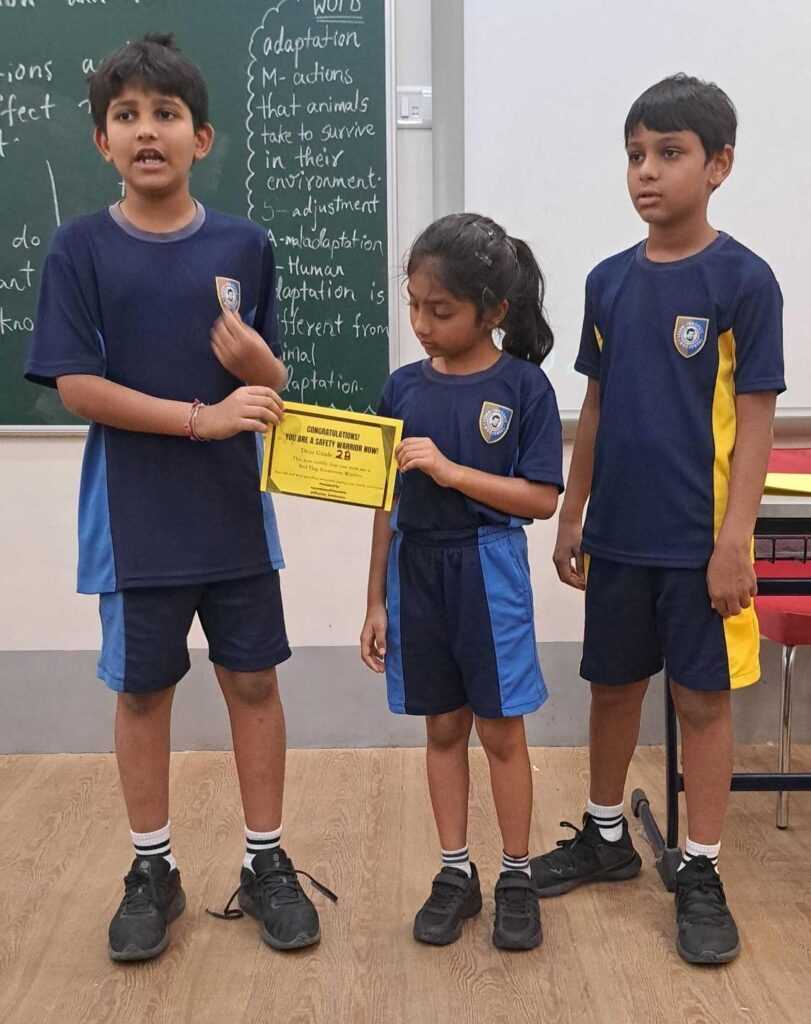
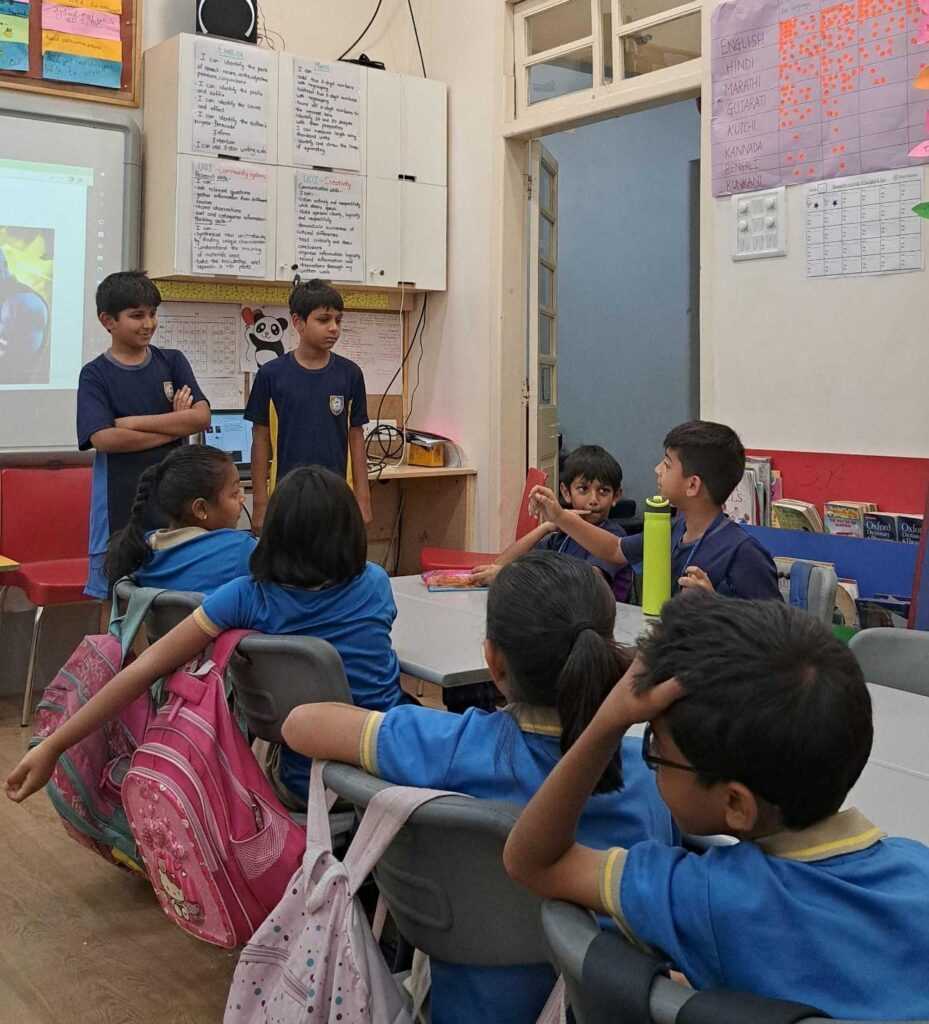
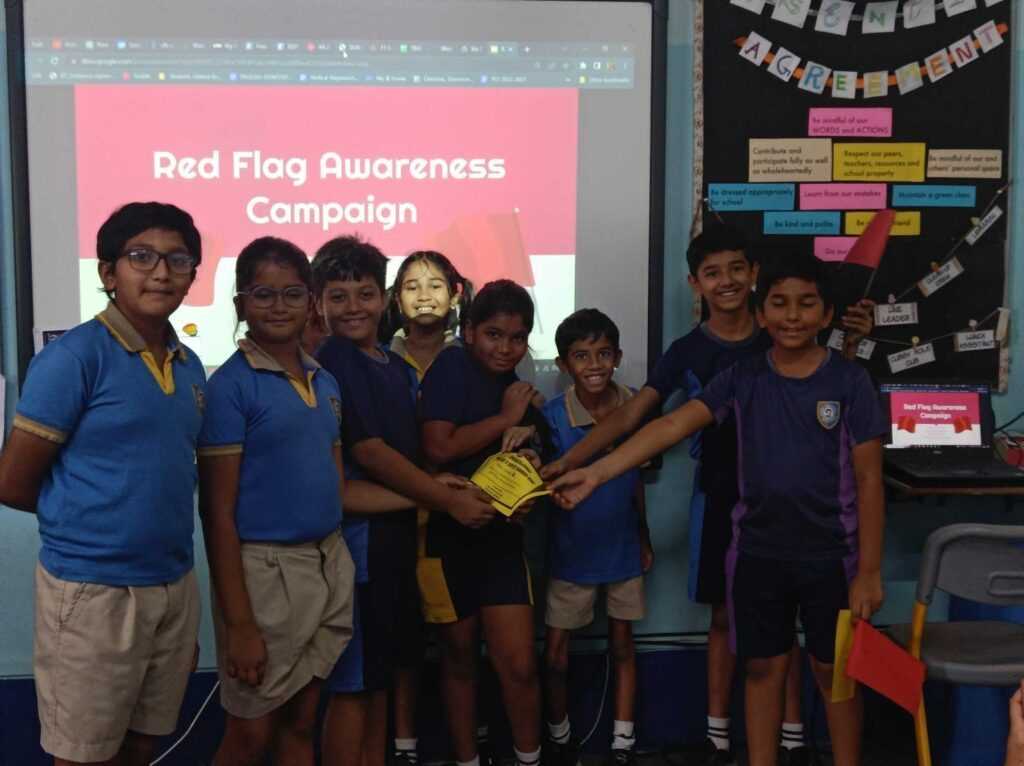
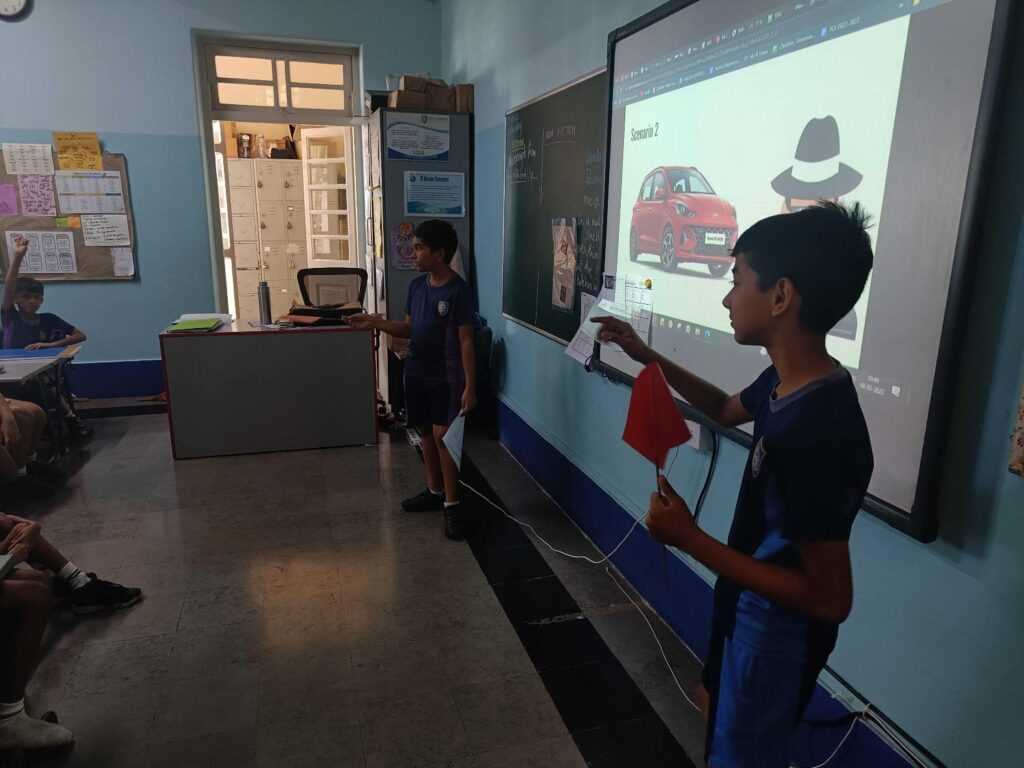
Mental Health
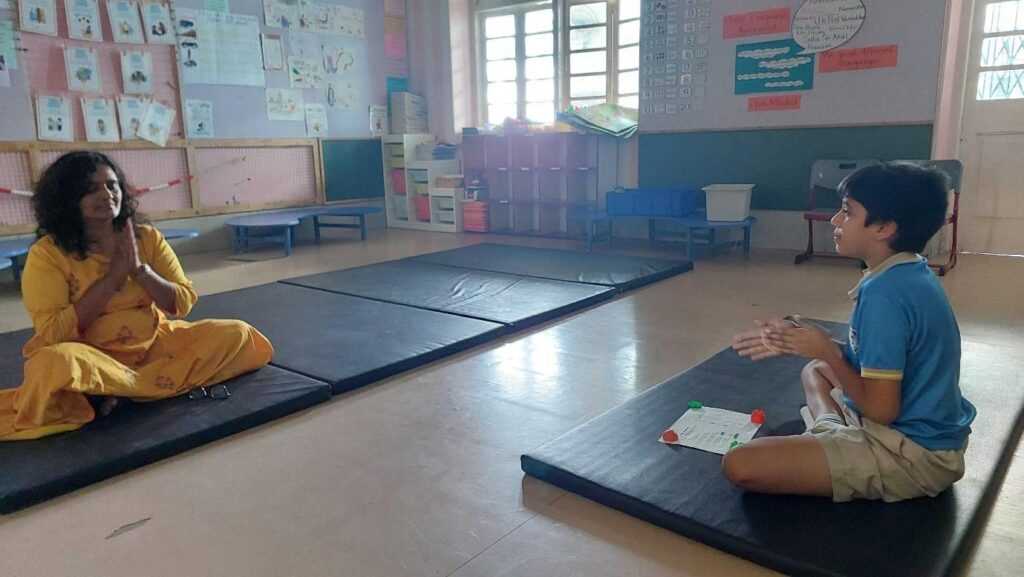
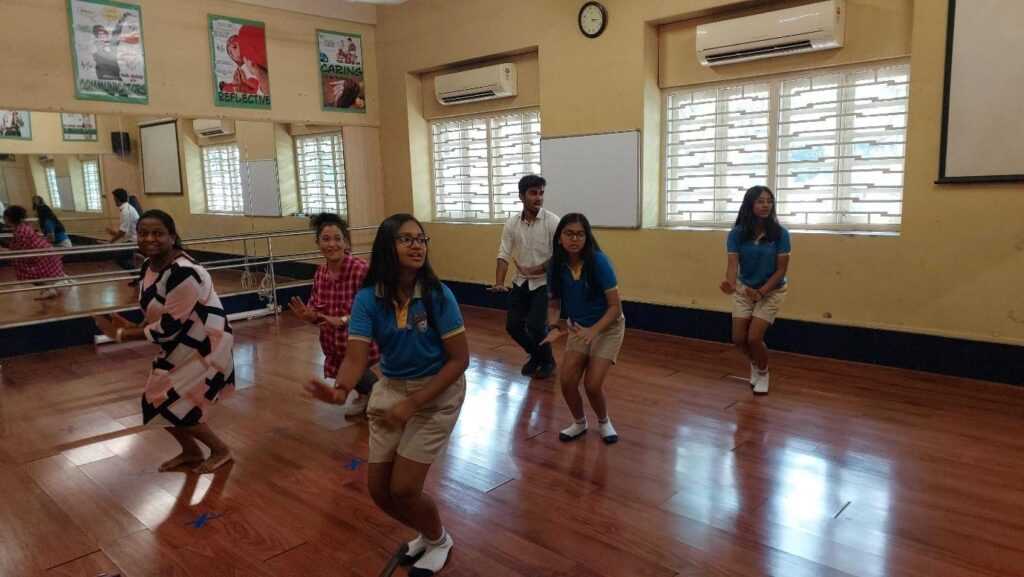
Inclusion
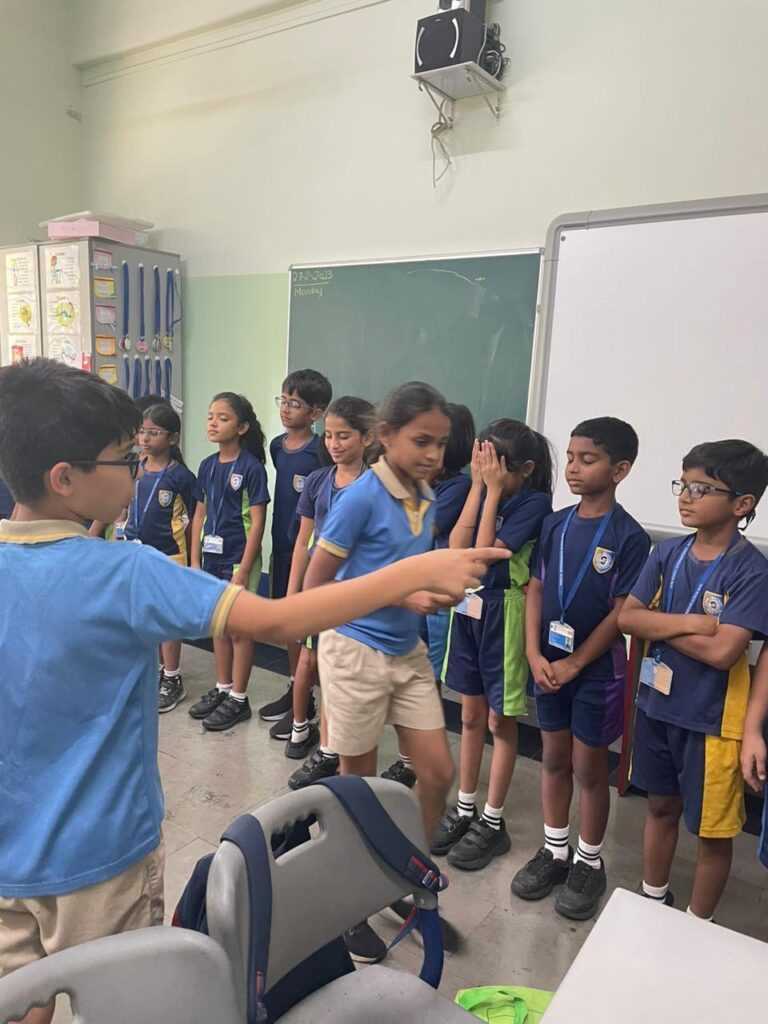
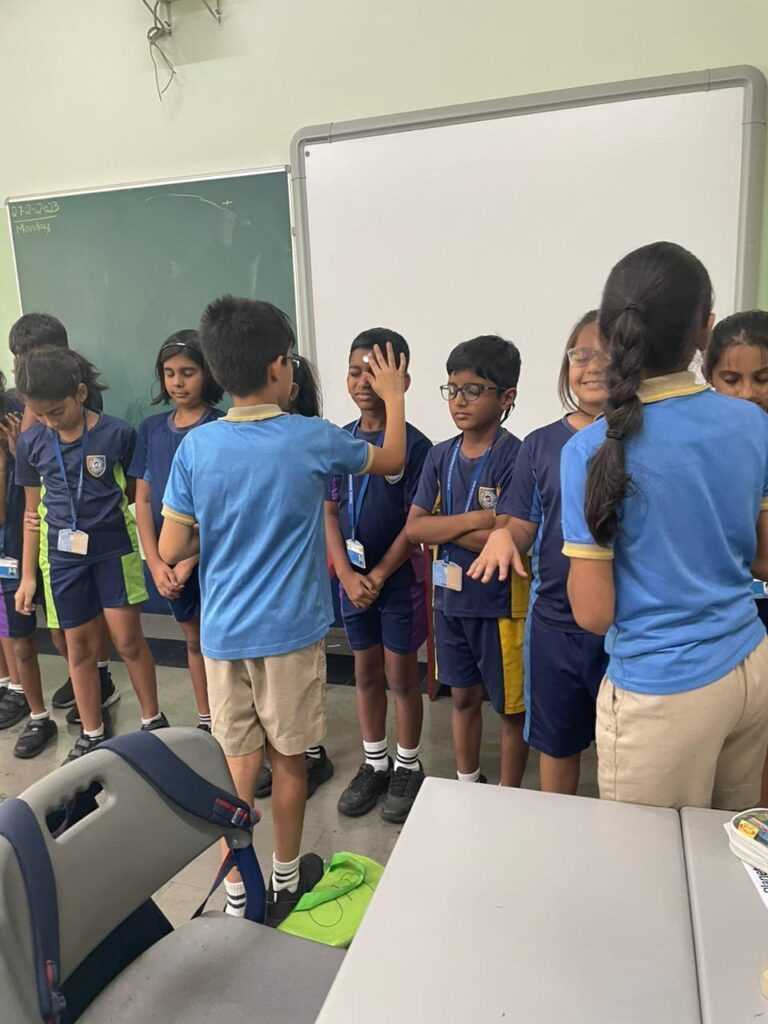
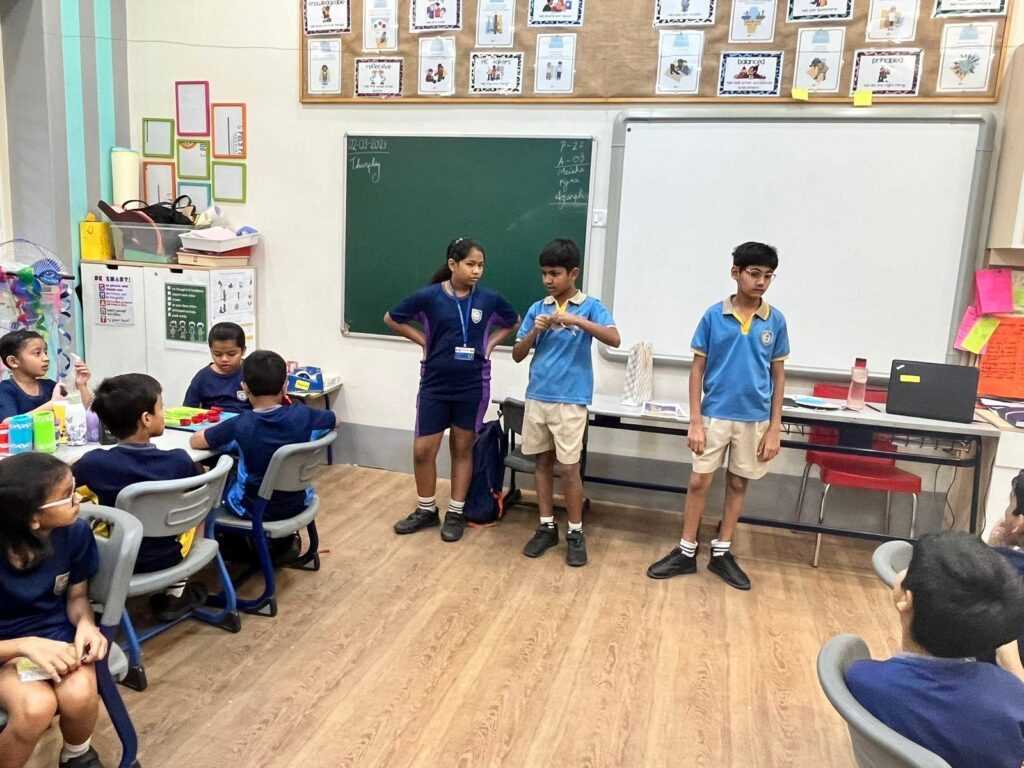
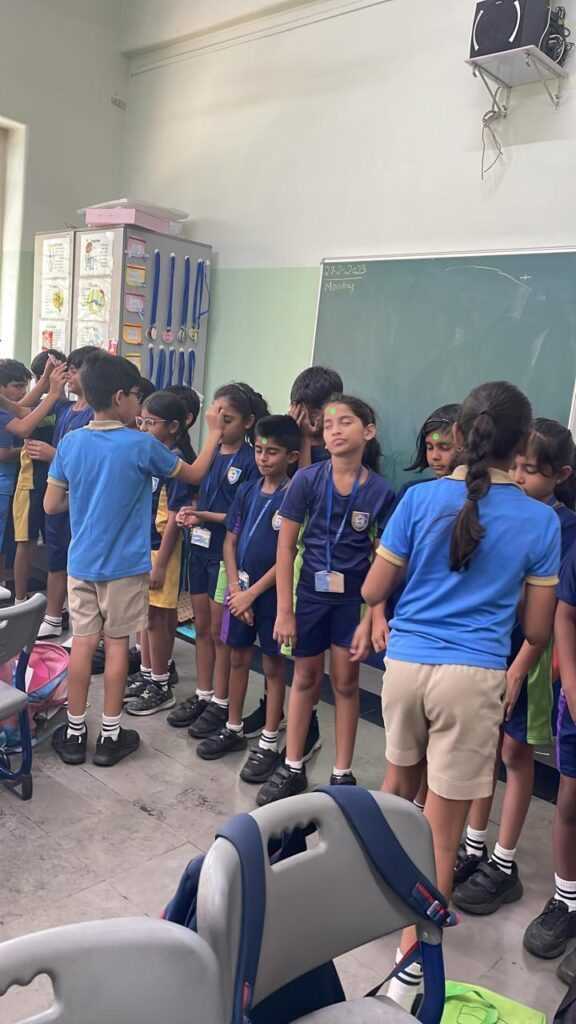
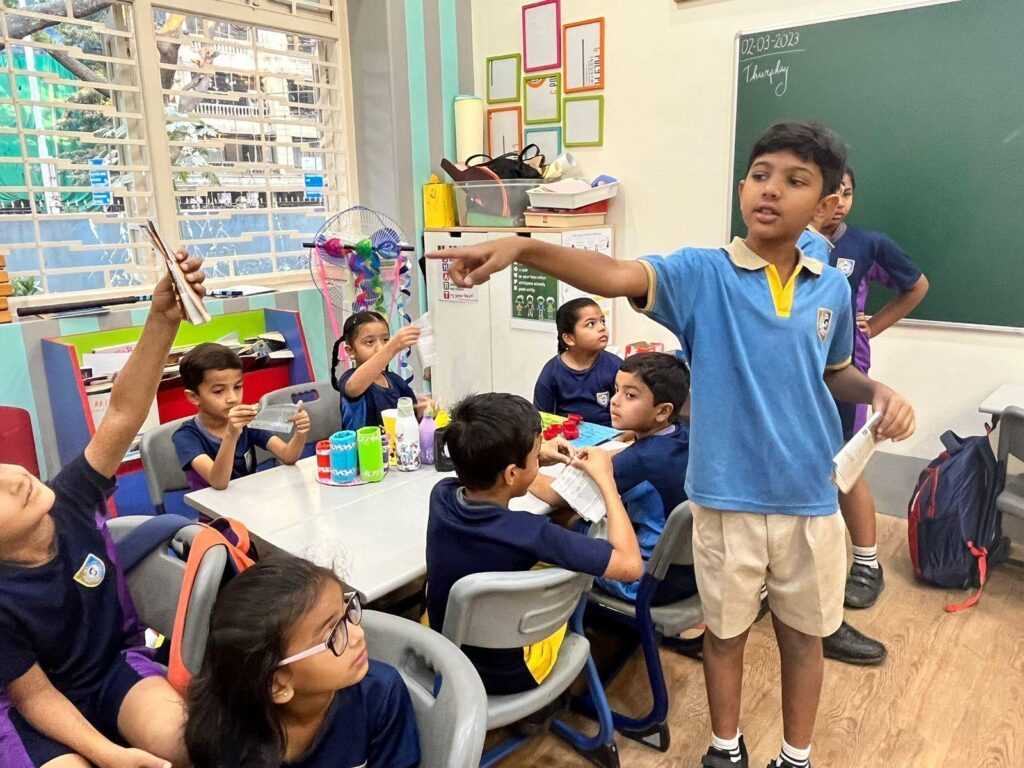
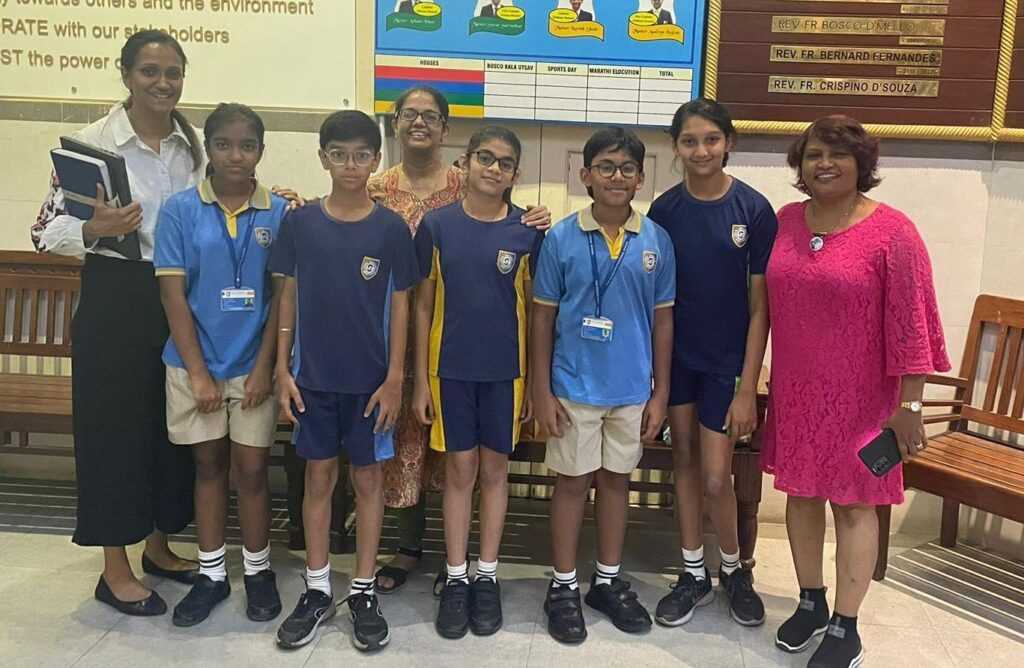
The grade 5 PYP Exhibition is student driven, as the students’ work epitomizes the elements associated with the Primary Years Program and this is shared with the entire school community.
This year the transdisciplinary theme is How We Organize Ourselves and students chose to explore the interconnectedness between human made systems and communities.
The overarching central idea explores how people can learn how to develop and enhance human made systems ‘Regulating resources and services leads to an efficient … (topic) system.
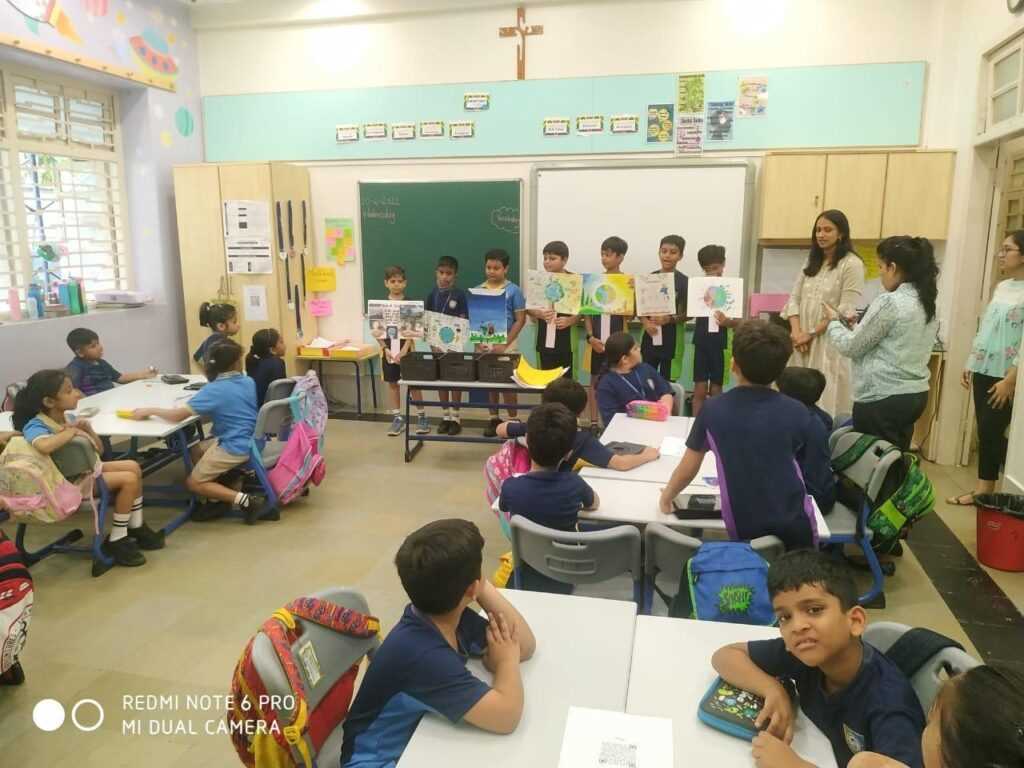
Our Exhibition journey began with students exploring; What is a global issue, opportunity, topic with respect to systems that ignites their interest. The systems investigated were: Transport systems, Energy systems, Agricultural systems, Drainage systems, Healthcare systems and Waste management.
Their learning began through asking questions, working together to derive at their Central ideas and lines of inquiries. They further identified the key concepts, ATLs and the learner profile attributes for their unit. The learning kick started by reading up several case studies, doing an in depth research, journaling, encouraging their independence with discussions, planning, and reflection all through their exhibition journey.
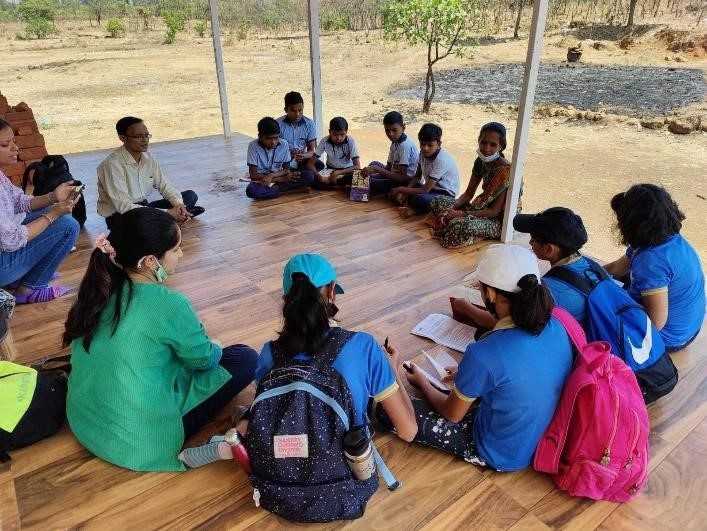
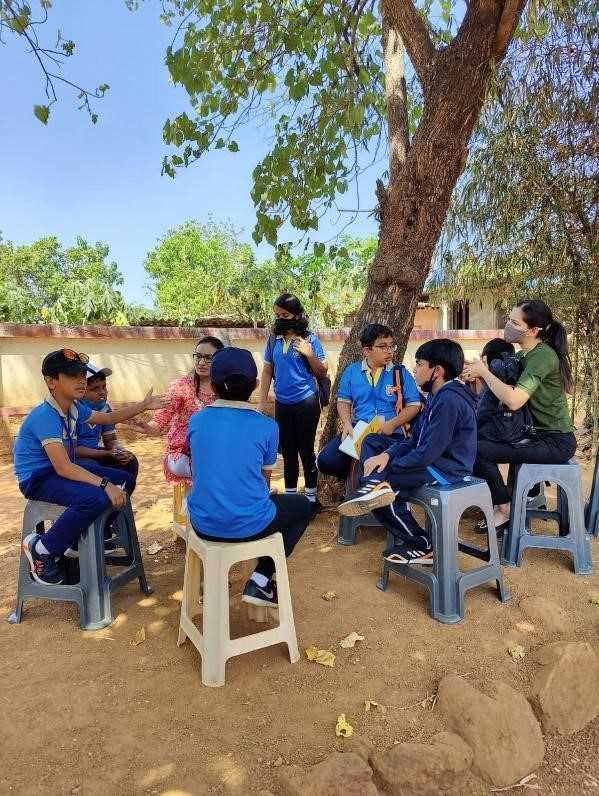
Students were taken on a field trip to a village to understand the systems existing in the village and make connections to their inquiries. Students also interacted with the children of their age and teachers of the school to get first-hand information about the systems in place and the challenges faced by the people. It was indeed an enriching learning experience for everyone.
Apart from the field trip, each of the groups invited guest speakers to enhance their learning from the expertise. One of the group even conducted a survey to identify the usage of energy on daily basis and create awareness of saving energy through their survey. The survey was later converted into graph to be analysed and interpreted by the group. Students made a note of their daily learnings in their reflections.
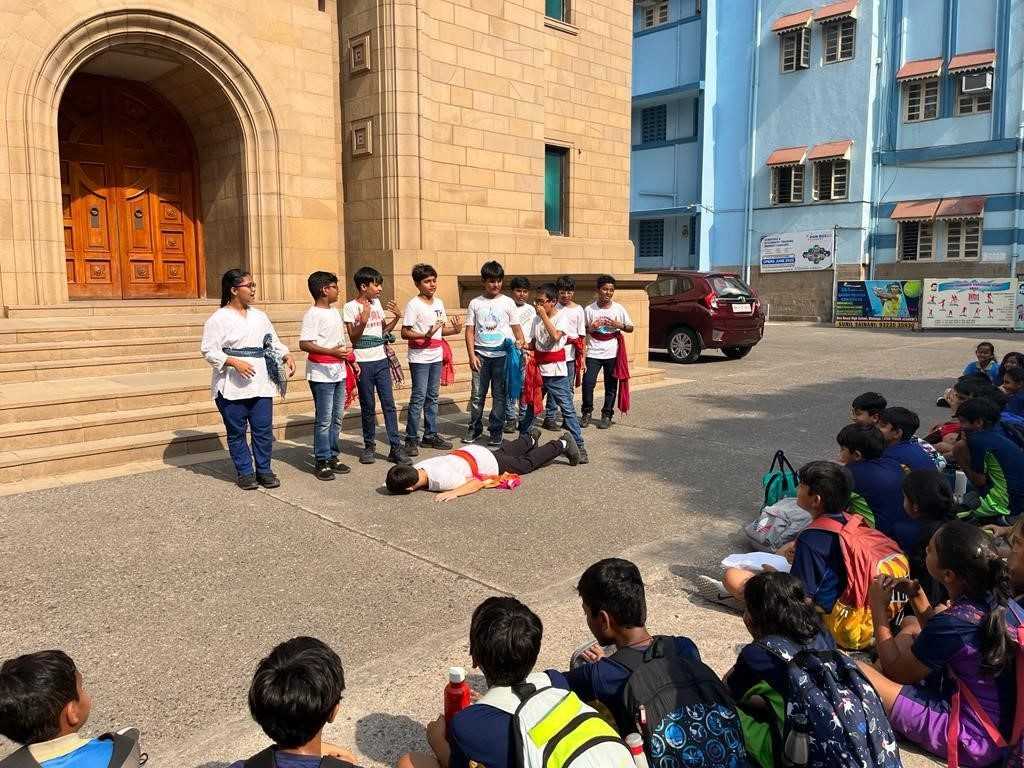
Their learning enabled them come up with responsible, thoughtful and meaningful action that will make an impact. One of our energy group observed Earth Hour in school to create awareness on saving electricity. Our health care group created a dance video to be posted on social media in order to create awareness about the challenges faced by the front line workers. We also had our transport group performing ‘Nukkad Natak’ (street play) sensitizing people about the importance of following traffic rules. Our agriculture group took the initiative to create awareness about ‘Save the Soil Movement’ with Isha foundation.
The final exhibition day, students exhibited what they had learned and discovered throughout their learning journey in front of parents, teachers, and guests in an online platform involving spectacular collaborative efforts that fused performances in music, dance and drama. We could clearly see connections from their artistic performances to the issues explored throughout the unit. The culmination of all the presentations demonstrated students’ understanding of systems; smooth functioning of each of the system is important as all the systems are dependent and interconnected with each other.
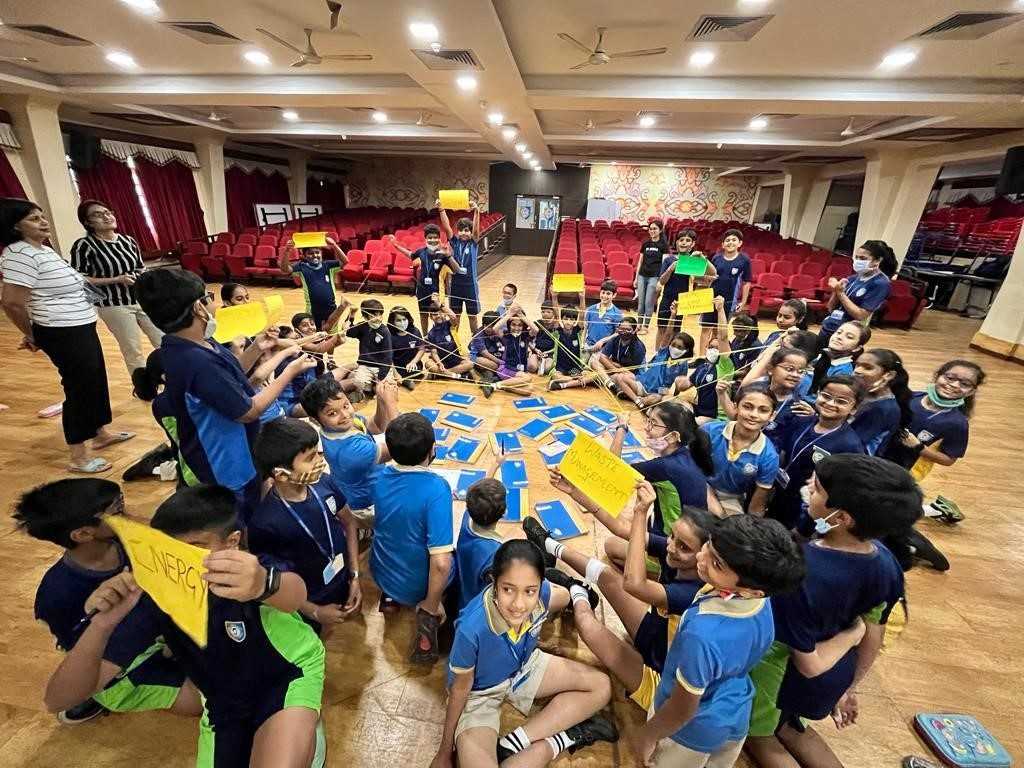
Assessments in the PYPX:
The PYPX assessment process has been an ongoing one, offering the students plenty of opportunities to develop and apply their acquired skills as also nurture a growth mindset. Prior knowledge through KWL charts, mind maps and tuning in sessions is gauged at the onset. With the intention of promoting student agency amongst our young learners, each year, several tools are employed. Entry and exit tickets, self-reflection, checklists and teacher anecdotal records are a regular feature in the PYPX sessions. Culminating with an end of unit reflection, the PYP learners document their journey and the learnings collected on the way. Over the previous 2 years the students recorded their learnings and their learnings through the PYPX journey and their growth as PYP learners in their respective school written report.
End of Unit Student Reflection:
Riddhi Korgoanka
During this PYPX time we learned that well changes in the world can have a huge impact on the government, living beings and all other systems. For the PYPX we had visited the small village in Palghar we visited the school and hospital to see what was the shortage and need in the place. We found out that there was only one hospital in the entire Palghar and no transportation, shortage of beds and less doctors for medical care.
We also made questions for a nurse in newzealand for information about the healthcare there and here to compare it. Later on, we read a case study about baby boomers and other nursing problems the healthcare system is facing. Through this PYPX the learner profile that I demonstrated the most was Thinker because we thought a lot about every decision we made about the PYPX presentation and communicators as we had to all communicate to finish the compare it.Later on we read a case study about baby boomers and other nursing problems the healthcare system is facing. The skills that I used were my research skills and my self-management skills I used my research skills while researching about healthcare and what are the problem they are facing in it.
I used my self-management skills to complete this exhibition in time. The central idea of my PYPX unit in healthcare was Regulating resources and services lead to an efficient healthcare system. I can connect to the central idea because if you regulate resources then the healthcare system will work better than before.The most difficult part about the group was our cooperation as we were 12 people and everyone wanted to show their ideas and use them only but sooner we found out a solution to it. Through the key concept of responsibility, we analysed the role of the government in creating a well efficient system. I am proud that we finally got together as a group and did not have fights anymore. If I were to change anything I would change the way we behaved and make us have fewer fights. My advice to the next year PYPX students is to cooperate well with the people so your work will finish faster.
Tiana Parekh
The PYPX Journey was fun and informative. The PYP Exhibition taught us to present well, work as a team and to think out-of-the-box. We learnt a lot based on the CI- Regulating resources and services lead to an efficient waste-management system. We learnt that the systems are interconnected, from different ways. I demonstrated the Learner profile of thinker and communicator as I was able to analyse the information we got and also apply it in our presentations and actions and communicators as we had to communicate with each other and work as a team. I even displayed research skills while gathering information about our system. This skill really helped us. The most difficult part of this journey was where we were brainstorming to make our framework. Through the key concept of causation it helped us to analyse the reasons for waste. It was difficult, but we, as a team, could overcome it. I am most proud of the actions we were able to take. We were successfully able to spread awareness as 2 interconnected systems, Waste Management and Drainage. When we went to Palghar to Zilla Parishad school, we spread awareness about segregating waste by talking to them in Marathi. This was the most interesting and fun part of the journey. Something I would have done differently if given a second chance is try finding or inventing a new alternative for plastic used in our homes and even restaurants. I will tell the next year exhibition students to use different platforms for presenting and use different ways to spread awareness.
This year’s presentations took place virtually, the theme of the presentation was on The United Nation’s Global Goals for Sustainable Development served as a springboard for inquiry and action. Students worked collaboratively in teams, with mentors and teachers guiding them along the way. The groups devoted several weeks to this undertaking, which allowed them to take a deep dive in the topic of their choosing. The issues that students took up through these SDGs ranged from issues related to land, water, mental and physical health, women empowerment, climate action, quality education, sustainable cities, infrastructure, inequalities in sports and art. Students co-created their own central ideas and lines of inquiry in each group and identified other PYP elements.
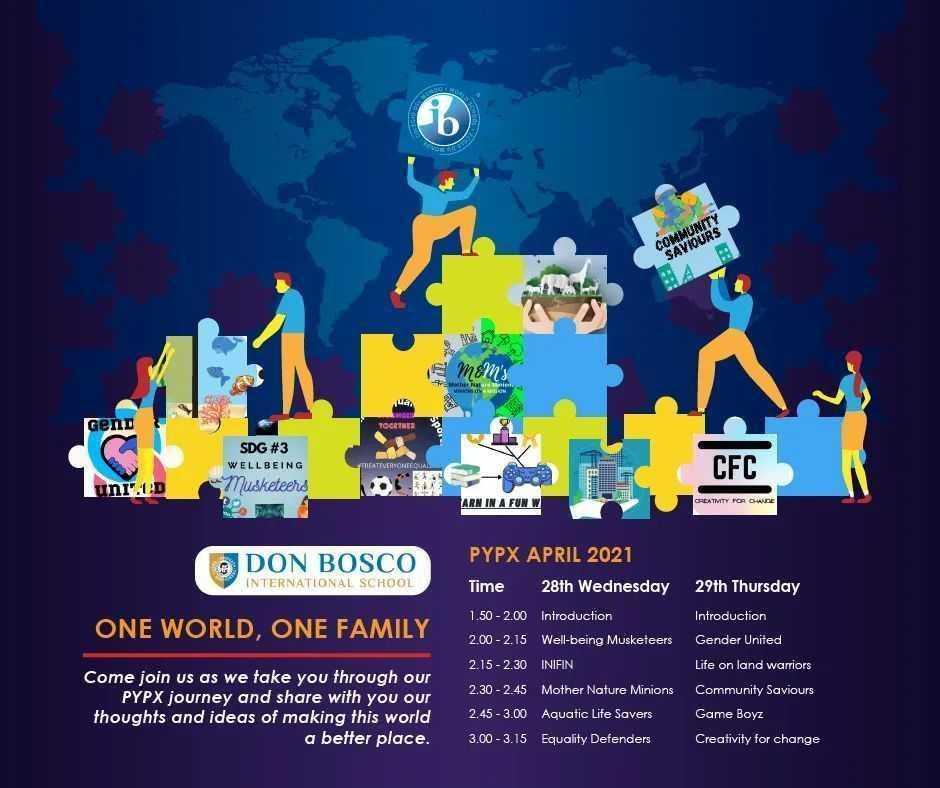
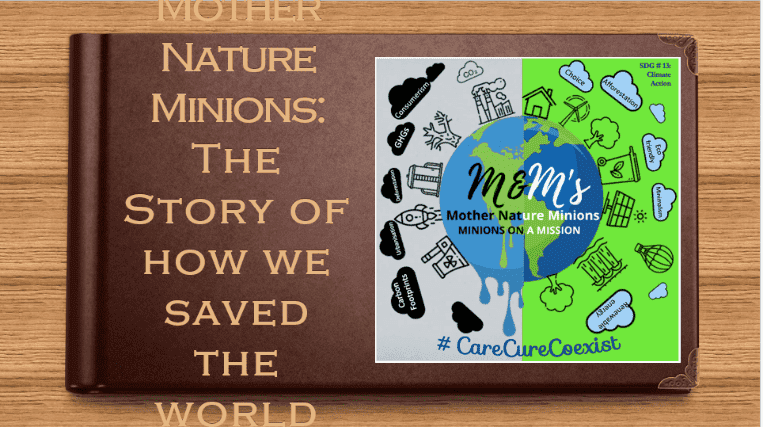
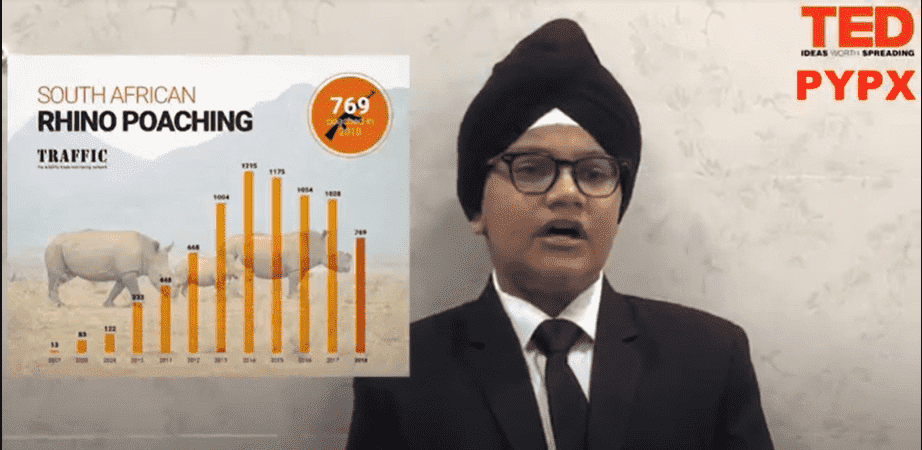
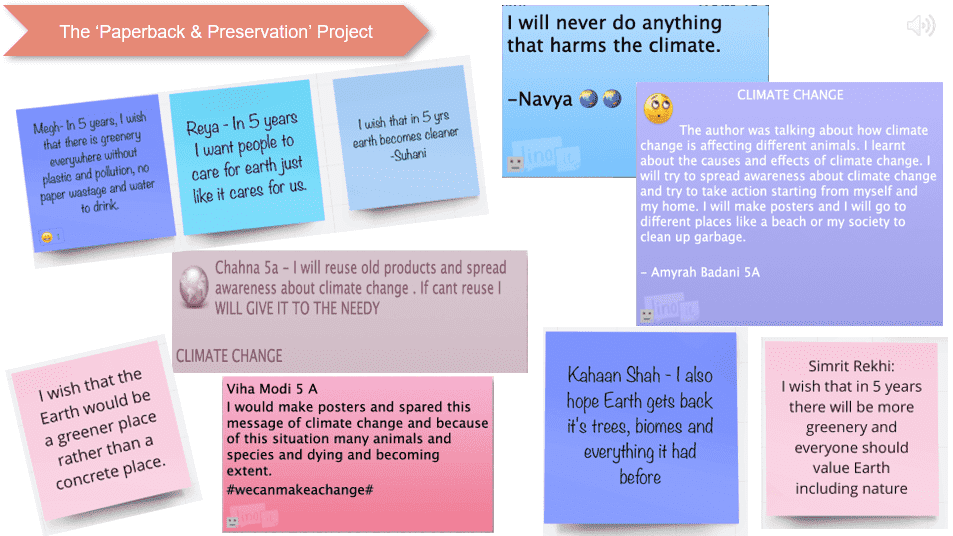
Our community was very excited to gather together on a virtual platform to hear all of their presentations! The essence of this exhibition was to create awareness about the concerns that is affecting people in the long run and call for action from everyone in order promote prosperity while protecting the planet.
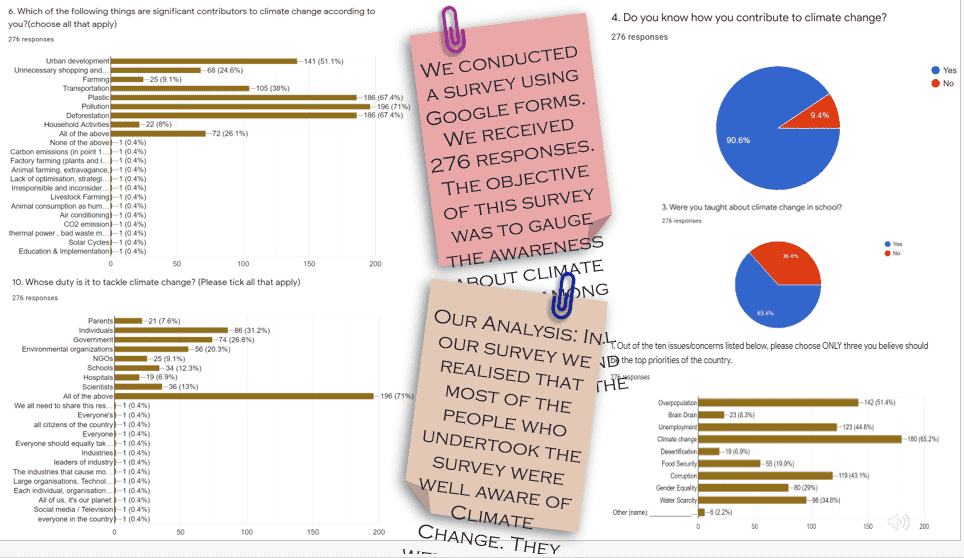
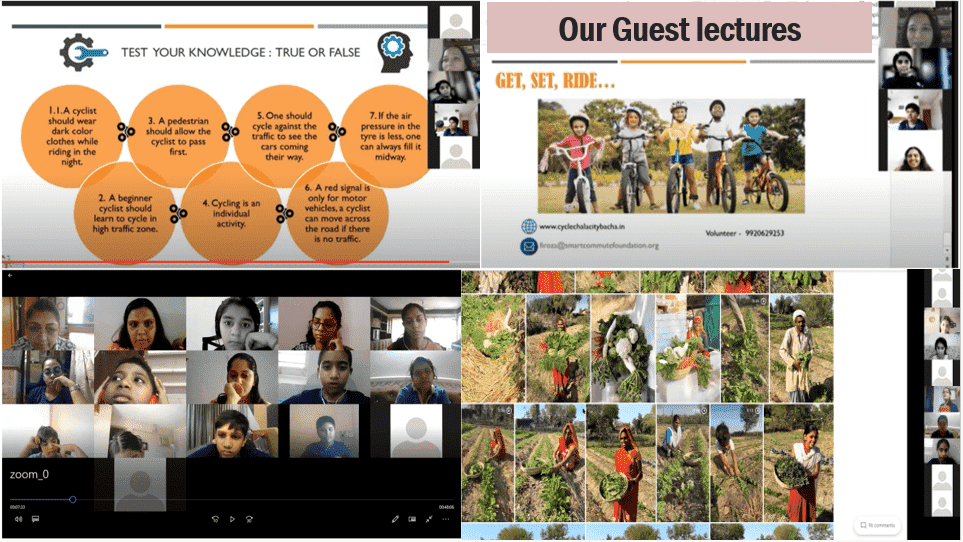
Despite working remotely this year, students showed us that they are amazing risk-takers and enthusiastically tackled their projects head-on. For example, a group researching on climate action sent a survey out to members of our school community and compiled the information into graphs. Another group had several guest speakers sharing their stories about the challenges and struggles that women face, the good health and well-being group held a mental health week for the school community
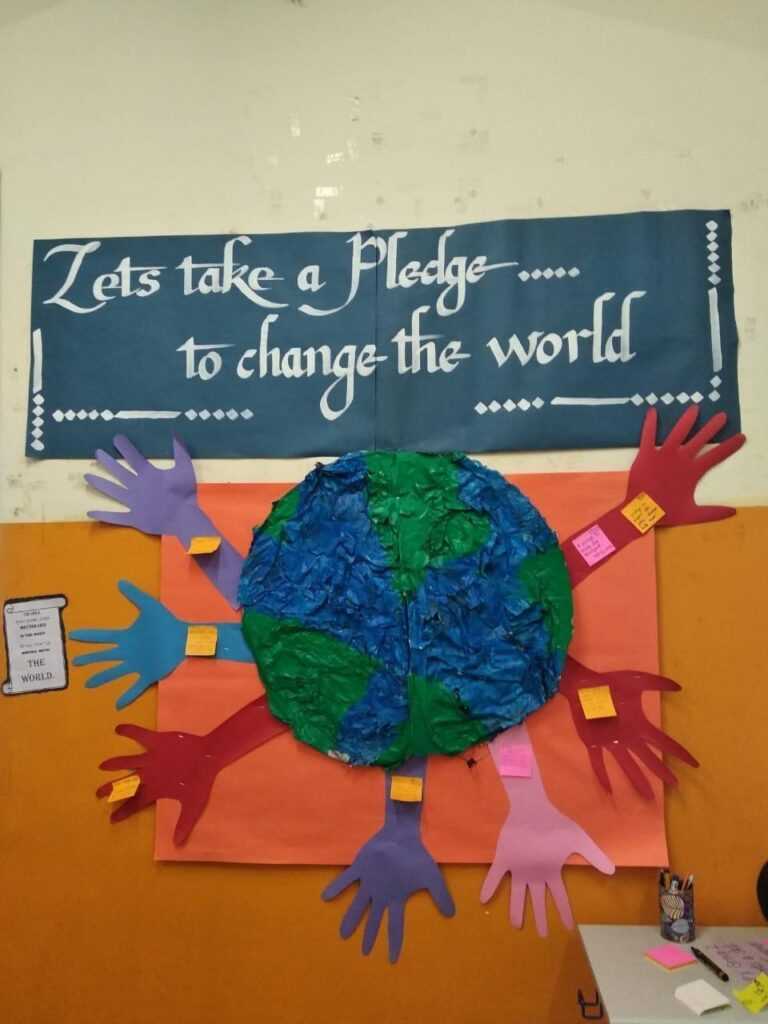
Each project culminates in an action. This year, our students’ actions ranged from taking pledges to helping people to de-stress, it also involved the community in their #dance for change challenge for reducing inequalities in our society.
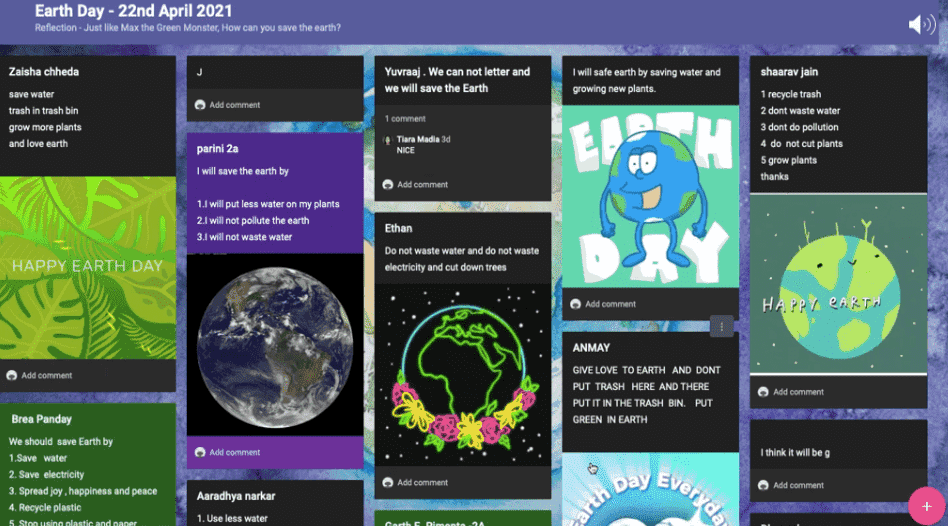
For their projects, students mastered new online tools, such as, in order to present their findings via Virtual Reality and created their presentations using virtual gallery/slides. Many groups also created padlets so that their action component could be shared, supported by students and community as well.
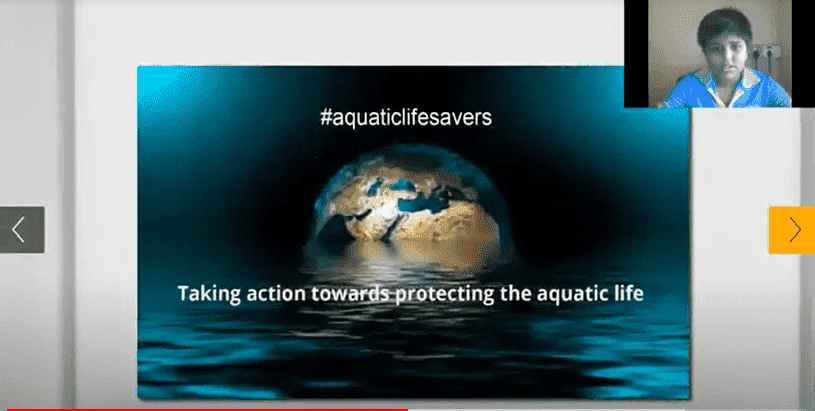
Students gave amazing presentations on everything from global warming to equality. From raising awareness of ocean pollution through art to debates about renewable energy, our students used their skills to share their newfound knowledge. Other topics included deforestation, endangered animals, gender equality and the impact that humans have on marine life. With the PYP Exhibition, students answered questions such as “Why is it important to protect the environment?” and provided suggestions on what each of us can do to make a difference.
The PYP Exhibition is a culminating experience for PYP students. The transdisciplinary theme for the year was ‘How We Express Ourselves’. Students collaborated putting down their thoughts, curiosities and interests related to different performing arts. The students were further grouped as per their interest and narrowed down their topics related to different fields like Fashion, Mythology, Food, Technology in Media, Creative Pursuits, Sports, Drama and Art. The groups were involved in co-creating their central ideas, lines of inquiry and other essential elements of PYP. Each of the groups strived to inquire into the ways in which we discover and express ideas, feelings, culture, beliefs and values through different performing arts.
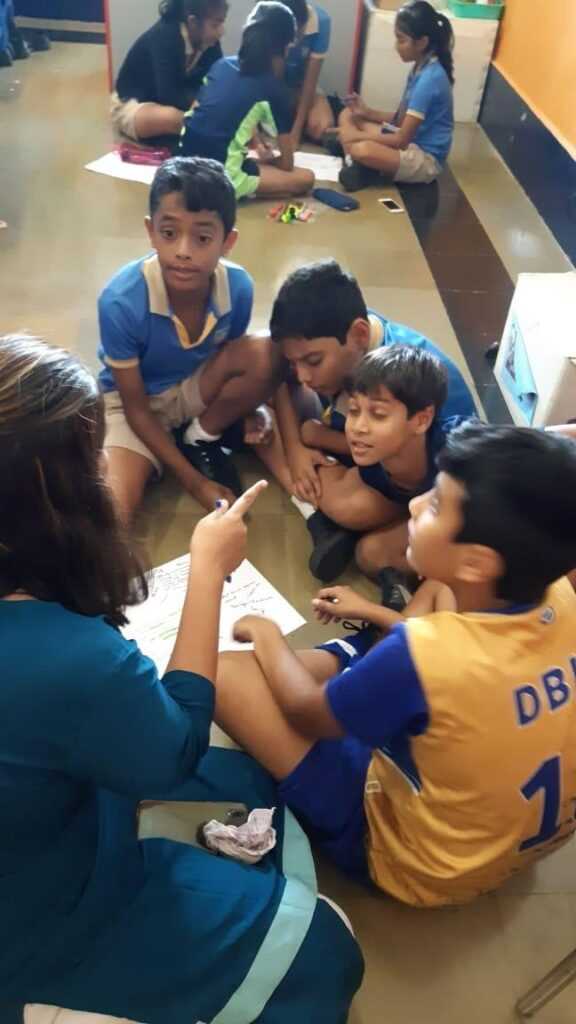
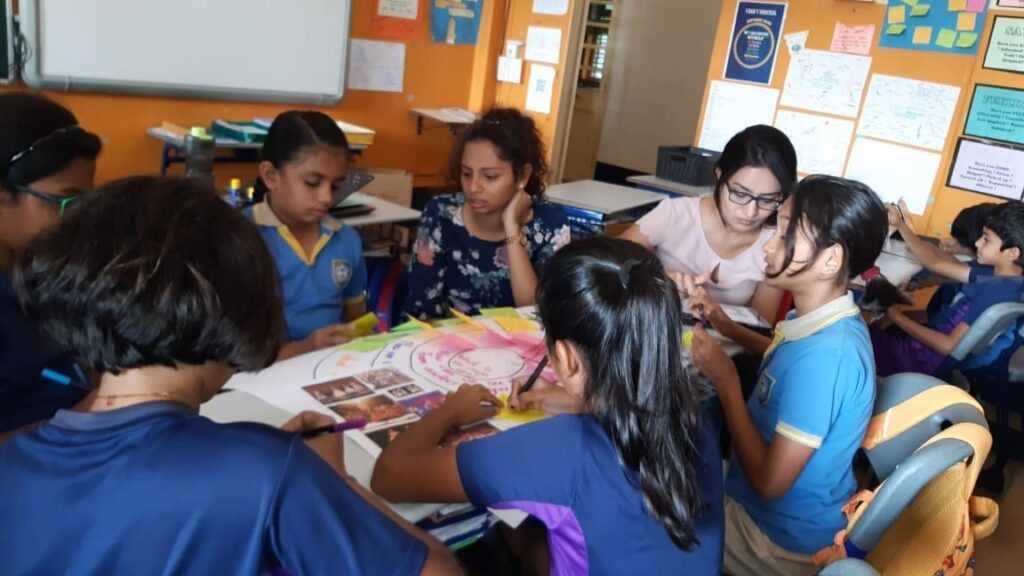
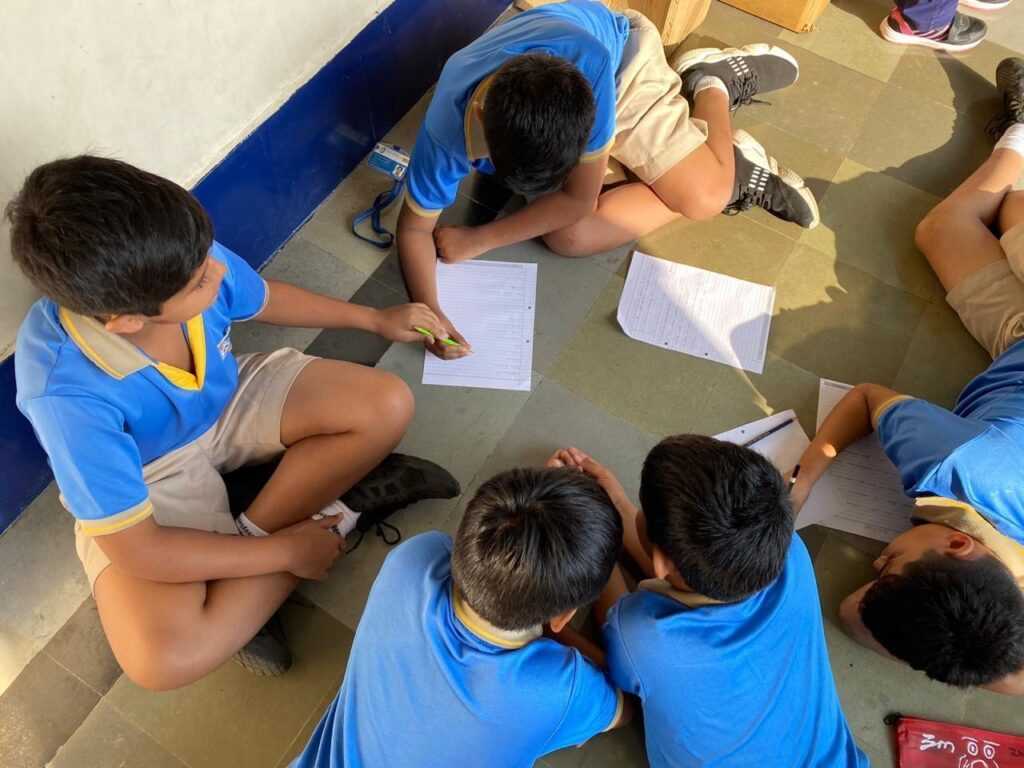
Students started working in groups and each group had mentor(s), who are members of our school teaching staff, to guide the students as they move through the process of completing the Exhibition. This guidance came in many forms, such as assistance with the research, listening to students’ ideas about the topic, providing additional information to help students gain a better understanding of their topics, help with organization of time, ideas and materials, and demonstrating action etc.
Students within their groups conducted an in-depth research on how performing arts has emerged and changed through time in various places across the globe with respect to their topics. They used multiple sources of information like: Links, videos, books, etc. first hand sources to find out information. They created Power point presentations of their findings as a part of their recording.
Students used several Visible Thinking Routines to share their thoughts and understandings and also invited guest speakers for individual groups to broaden their thinking and make connections.
Their culmination involved spreading a message to give out to the society by creating their own individual performances. Students further evaluated each other’s performances and reflected on the feelings and emotions it evoked.
Our annual Grade 5 PYP Exhibition encouraged students to take action as global citizens. This was the first PYPX Exhibition conducted by the students of DBIS and our students did an amazing job showcasing their tremendous effort and learning!
Through its inquiry-led, transdisciplinary framework, IBPYP challenges students to think for themselves and take responsibility for their learning as they explore local and global issues and opportunities in real-life contexts.
The students decided the unit to be studied under the transdisciplinary theme Sharing the planet.
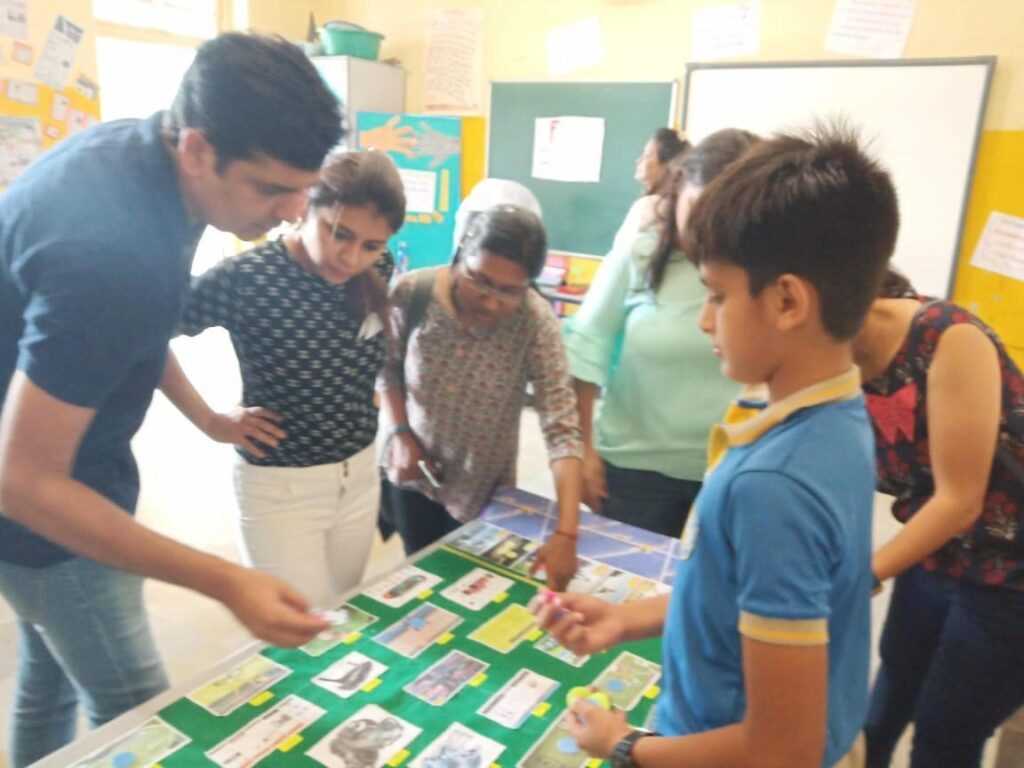
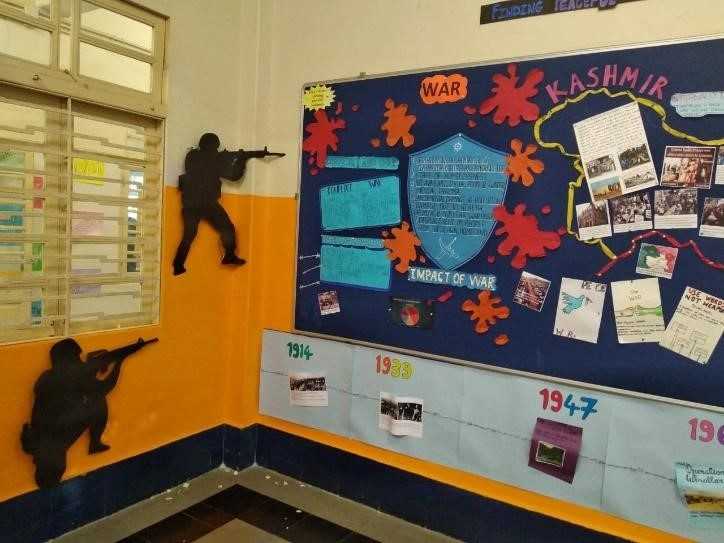
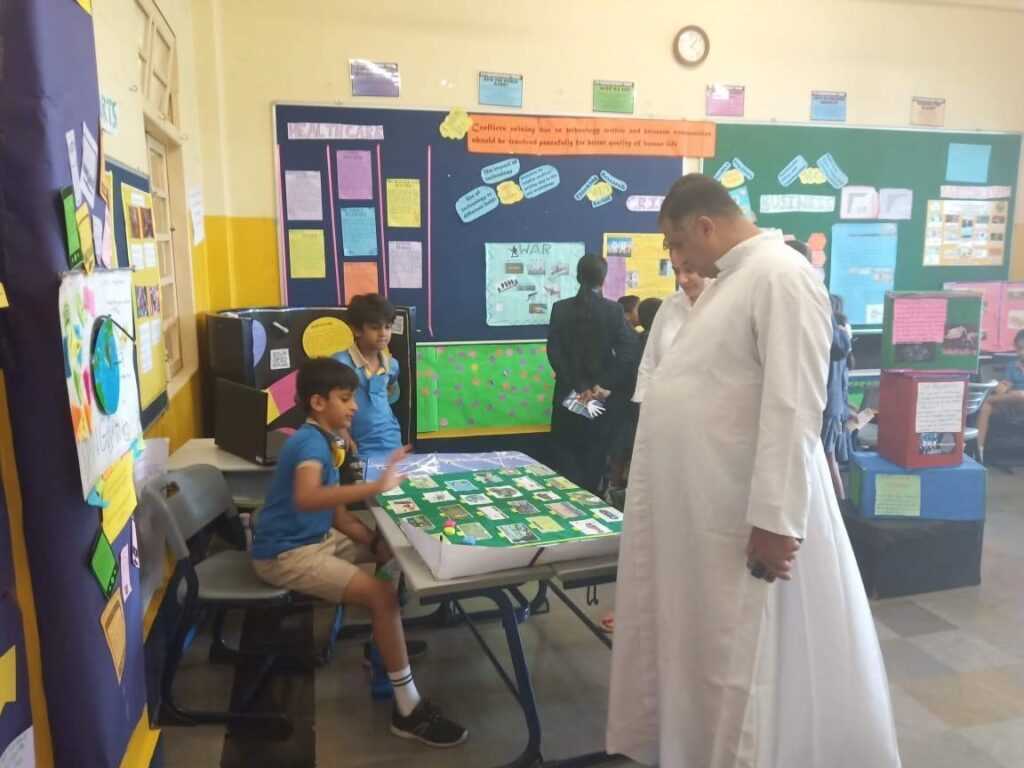
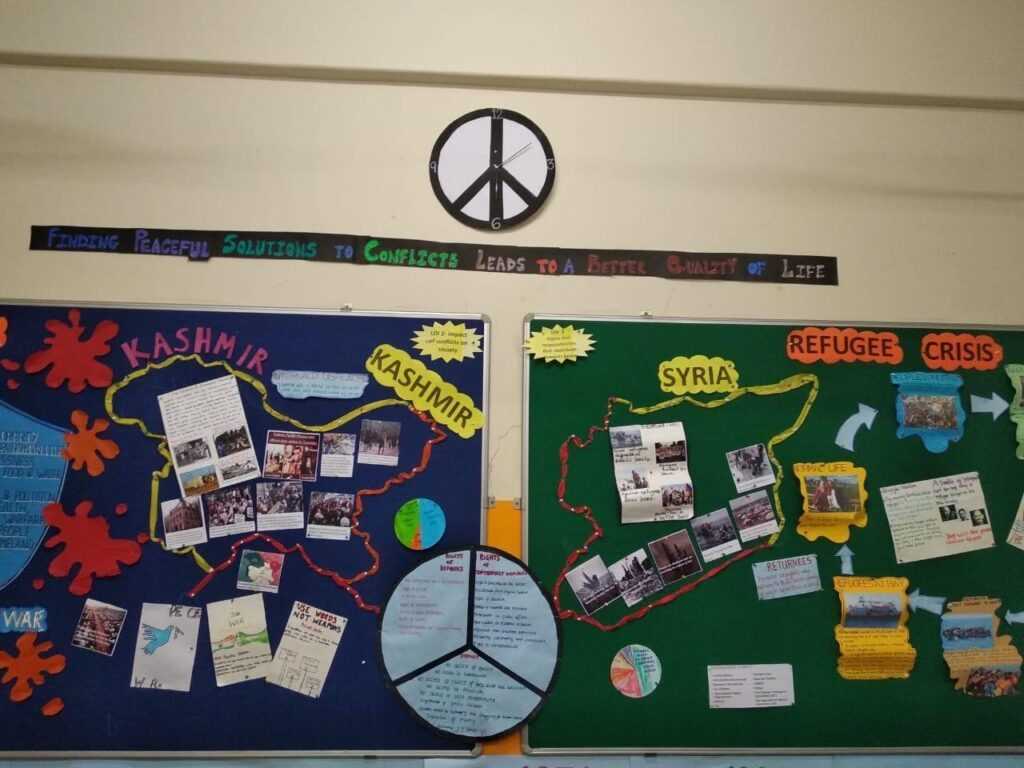
But, deciding on an exhibition unit called upon students to brainstorm about an issue with truly local to global significance. What could it be? What conflicting issue or issues could be bothering and affect billions of people all at once?
Students brainstormed on several issues leading to conflicts across the globe right from sharing of the resources to its availability to the people, students were further divided in groups as per their topic of interest which were struggle for finite resources, access to equal opportunities etc. Groups then came up deciding on their central idea and lines of inquiry. They also identify the key concepts and other essential elements of PYP.
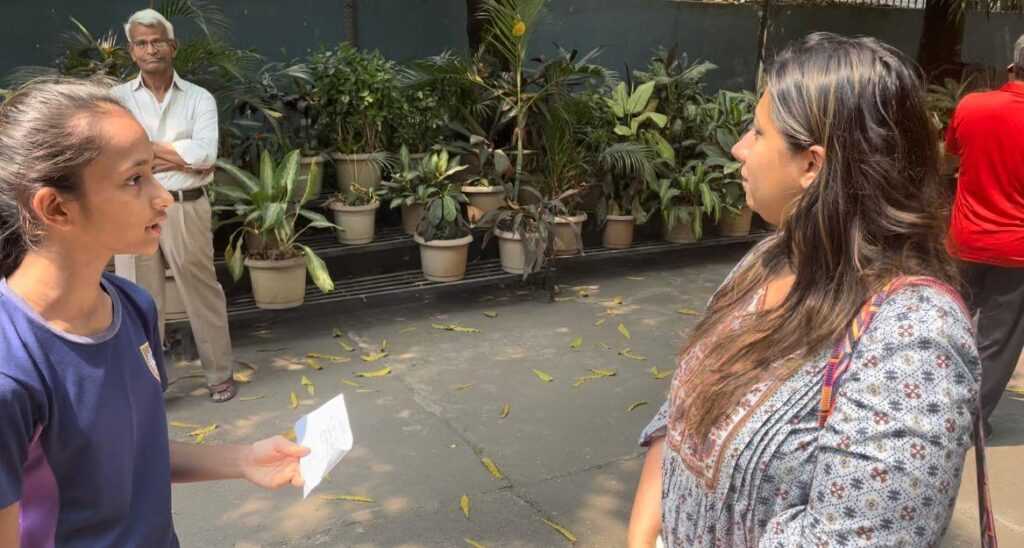
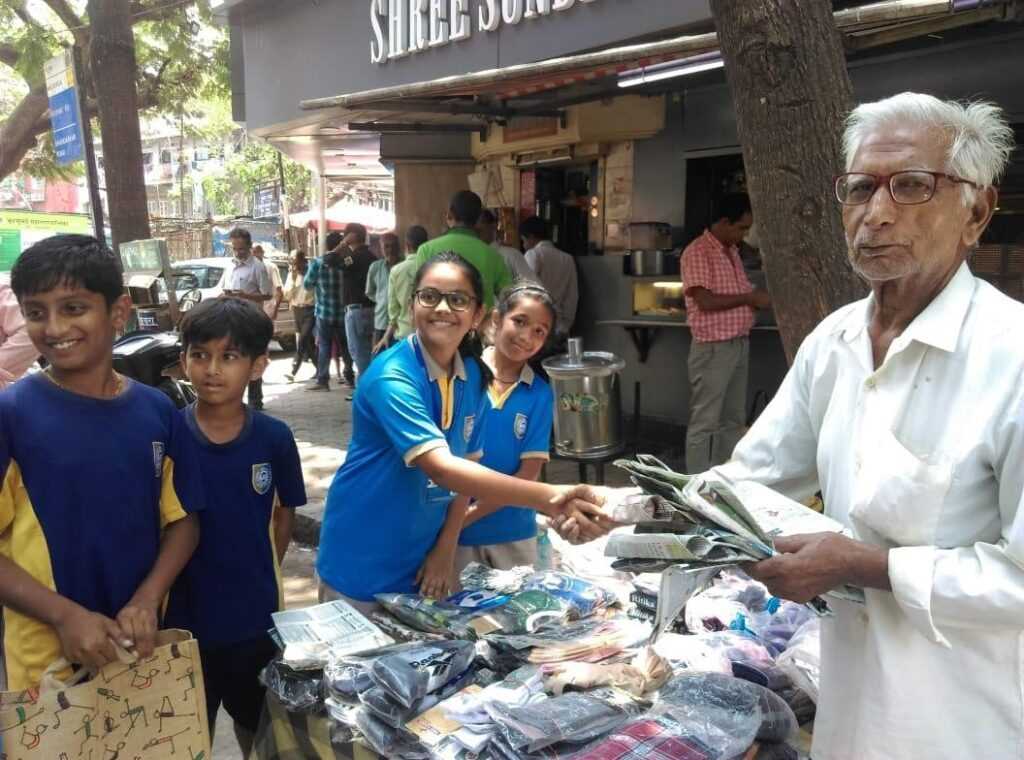
Groups were then facilitated by their mentors and students conducted research, interviewed in their community to collect statistical data to strengthen their understanding of the conflict. Other teams had sessions with experts to further understand their topics better. One group even took to the streets to conduct survey ask passers-by about their consumption practises!
Students used a variety of different mediums to share their findings, including plays, videos, artwork, posters, interactive games, books and music. Students gave amazing presentations displaying their actions. Not only did they share their research, our students also provided suggestions for how we can all make a difference by resolving conflicts in a peaceful manner. Even though they presented on a wide variety of topics, they reminded us of the interconnectedness of our global world.